Introduction: The dot that ties your global SaaS together
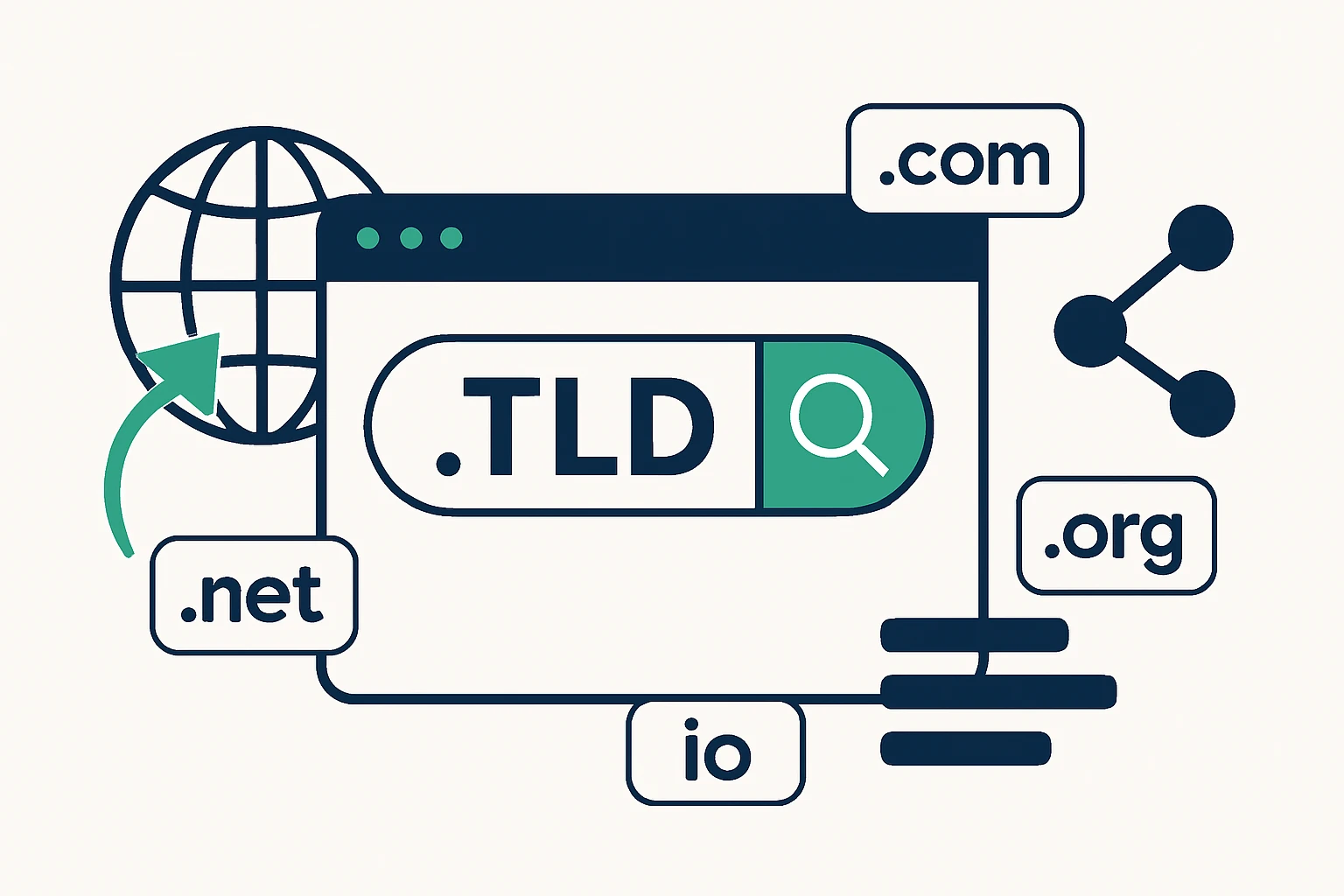
Global SaaS teams face a quiet but decisive problem: how to choose domain extensions that reliably reach users across regions, preserve brand trust, and align with DNS and hosting realities. The right set of TLDs (top-level domains) can support localization, reduce user friction, and bolster uptime - without becoming a maintenance headache. The domain name system (DNS) and the registry ecosystem behind it are vast: there are generic TLDs (gTLDs), country-code TLDs (ccTLDs), and a growing catalog of new gTLDs, all governed by a complex policy framework and a global network of registries. For teams planning multi-region deployments, a thoughtful TLD strategy is a core pillar of reliability and growth. ICANN defines TLDs as the final label in a domain name, such as .com, .org, or a country code like .us, and explains how these domains fit into the broader DNS structure that underpins the Internet’s addressing system. Understanding the landscape is the first step toward a sustainable global presence.
Section 1: The TLD landscape - types, scope, and what they mean for SaaS
The domain ecosystem is not just about choosing .com vs .org. It comprises several categories with distinct implications for branding, localization, and technical setup:
- ccTLDs (country-code TLDs) map to specific countries or territories (for example, .us, .de, .jp). They are often used to signal local presence or compliance with regional rules. ICANN and registry policies shape how these domains are managed and delegated. ICANN also notes that the DNS root and TLDs are central to the global Internet infrastructure.
- gTLDs (generic TLDs) such as .com, .org, and .net are not tied to a specific country, offering broad reach. The expansion of the gTLD space over the past decade - often through new gTLD programs - has given brands more naming flexibility but also introduced more choices to manage. Verisign’s Domain Name Industry Brief (DNIB) tracks overall domain registrations across all TLDs, reflecting ongoing growth and variety in the space. Verisign DNIB (Q2 2025).
- New gTLDs are extensions launched in recent years (for example, .tech, .ai, .shop). They broaden branding opportunities but come with trade-offs in recognition, marketing cost, and potential user confusion if not managed with clear localization and content signals. The ongoing DNIB data confirms continued activity and diversity in the TLD portfolio, including new gTLDs, across regions and industries. Verisign DNIB (Q2 2025) – overview.
- SEO and geotargeting considerations: while search engines generally treat TLDs as part of a site’s branding rather than a sole ranking signal, local markets can benefit from regional targeting signals. Google has discussed how multi-regional and multilingual sites are handled and how geotargeting settings in Search Console can influence visibility across regions, regardless of the TLD choice. Google Search Central.
Section 2: How domain extensions interact with branding, trust, and SEO
Beyond technical routing, the choice of a domain extension affects user perception, brand protection, and long-term strategy. A familiar, globally recognized extension like .com can signal reliability and universality, while ccTLDs can reinforce local presence and trust in specific markets. New gTLDs offer unique branding opportunities when paired with local content and clear localization, but they require deliberate education to prevent user confusion. In practice, the optimal mix often combines a core global presence (for example, a primary domain under .com) with a targeted set of ccTLDs or regional gTLDs to cover priority markets. The DNS and domain industry data from Verisign show sustained breadth in the TLD landscape, underscoring that global teams should plan for ongoing domain portfolio management rather than a one-off decision. Verisign DNIB (Q2 2025).
From an SEO perspective, search engines are sensitive to localization signals, site structure, and content quality more than the mere presence of a particular TLD. Google has long cautioned that moving to a new TLD is not a guaranteed SEO shortcut and emphasized the importance of proper configuration for multi-regional sites, including language targeting and geotargeting settings where relevant. This is particularly important for SaaS providers whose end users span multiple countries and languages. Google Search Central.
Section 3: DNS performance, reliability, and the role of the registry ecosystem
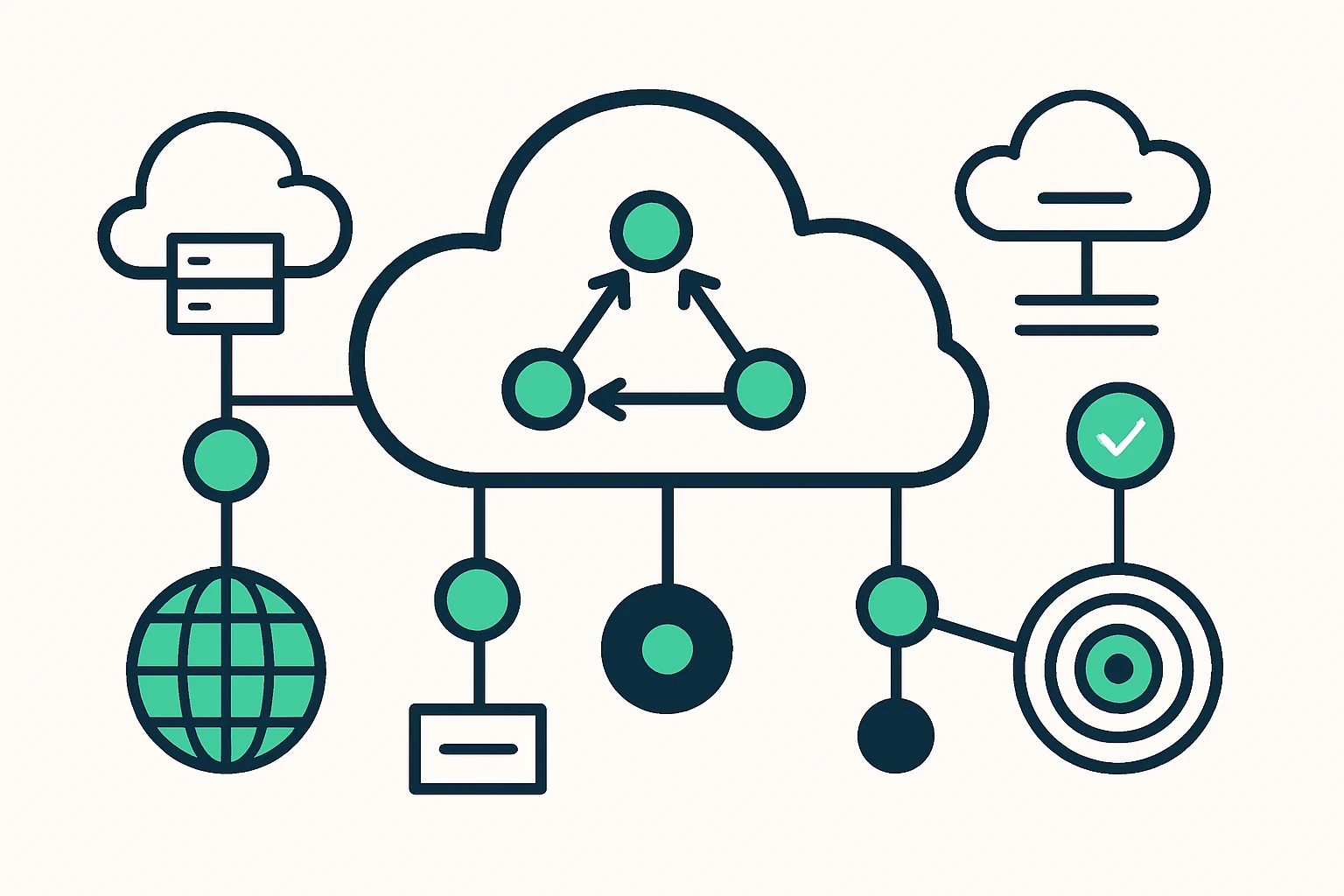
In multi-region SaaS deployments, DNS performance is a pragmatic reliability lever. Transporting user requests to the nearest or best-performing DNS resolver reduces latency and improves availability, especially when coupled with resilient DNS routing policies. A robust DNS strategy typically includes planning for failover, health checks, and regional traffic steering to ensure continuity during outages or disruptions. While the specifics vary by vendor and architecture, the core principle is clear: DNS must be designed for global reach, fast resolution, and graceful failover to preserve user experience during incidents. The DNIB data reinforces that domain registrations - and by extension, the ecosystems that serve them - are thriving globally, reinforcing the importance of planning for a broad, well-supported domain portfolio as part of an enterprise-grade network strategy. Verisign DNIB (Q2 2025).
For teams operating across cloud providers and regions, a well-choreographed DNS strategy often sits alongside routing decisions. In this context, the ability to resolve under multiple TLDs and to failover efficiently can be as important as the performance characteristics of the IP network itself. The practice of designing for DNS resilience is a mature discipline that benefits from cross-functional collaboration between product, network engineering, and security teams. If you’re evaluating a vendor catalog for domain extensions, a structured approach to comparison - considering availability, registrar support, and renewal risk - helps avoid vendor lock-in and reduces operational friction over time.
Section 4: A practical, publisher-aligned framework for TLD decisions
To navigate the trade-offs inherent in TLD selection for a global SaaS, a concise decision framework can help teams translate business goals into concrete, actionable steps. The following framework focuses on six core criteria and provides practical guidance and examples. It is designed to feel native to a technology- and cloud-focused readership, such as CloudRoute’s audience, while remaining editorially rigorous.
| Criterion | Guidance | Examples |
|---|---|---|
| Market localization | Map TLDs to priority markets, use ccTLDs to signal local presence where regulatory or user expectations favor locality, pair with localized content and hreflang tags. | .de, .fr, .jp, or a global .com |
| Brand protection | Register defensive variants across a curated subset of TLDs to prevent typosquatting and brand confusion, consider a landing page strategy for secondary domains. | brandname.com, brandname.co, brandname.io |
| SEO and user trust | Prioritize content quality, localization, and consistent site architecture, use local signals (hreflang, sitemaps) to support multi-regional indexing rather than relying on TLD alone. | Core strategy remains content and configuration rather than relying on any single TLD |
| DNS reliability & performance | Assess DNS resolver coverage, failover capabilities, and propagation behavior, ensure the DNS strategy aligns with multi-region hosting and monitoring practices. | Global DNS providers with health checks and rapid failover |
| Legal & regulatory considerations | Factor data sovereignty, privacy laws, and local commerce rules into domain strategy, ensure registrars comply with regional requirements where applicable. | EU data localization regulations in certain regions |
| Cost & operational complexity | Balance the marginal cost of additional domains with the operational overhead of monitoring, renewal, and redirection policies, plan a phased rollout. | Primary domain under .com, add 2–4 targeted ccTLDs for key markets |
Section 5: A closer look at WebAtla’s domain catalog as a planning aid
For teams evaluating the practical availability of domain extensions, a centralized catalog can accelerate planning. WebAtla’s pages that list domains by TLDs and by country provide a quick, browseable view of options - helpful when you’re aligning branding with regional reach. See the main catalog page at WebAtla: list of domains by TLDs, and explore specific popular TLDs like .com for a baseline global strategy. This resource should be used as a starting point to complement internal checks, legal review, and DNS architecture planning, not as a sole decision driver.
Section 6: Limitations and common mistakes
Every domain strategy carries trade-offs. Common mistakes SaaS teams make include over-indexing on a single popular TLD (risking regional visibility gaps), assuming SEO benefits from switching TLDs without corresponding localization, and underestimating the operational burden of maintaining multiple domains (renewals, SSL certs, redirects, and monitoring). A second pitfall is neglecting DNS architecture: without a resilient, globally reachable DNS setup, even fast hosting will fail to deliver a good user experience in some geographies. The take-home is straightforward: choose a core, globally recognizable anchor (such as a .com) and augment with a carefully selected subset of regional or brand-aligned TLDs, all supported by robust DNS, monitoring, and content localization. The broader industry data collected by Verisign demonstrates that the domain ecosystem remains dynamic and diverse, underscoring the need for ongoing portfolio management rather than a one-off purchase. Verisign DNIB (Q2 2025).
Section 7: Limitations or common mistakes section
One notable limitation of a TLD-centric approach is that it cannot substitute for strong on-page localization, quality translations, and region-specific content strategies. A well-implemented localization strategy should pair its domain extension choices with hreflang annotations, local landing pages, and culturally appropriate messaging. Another common misstep is assuming that newer gTLDs automatically deliver superior branding or SEO results, in practice, familiarity and trust often favor established extensions, unless the new TLD is tightly integrated with a local strategy and clear user signals. Finally, always consider the renewal risk and registrar reliability when expanding a domain portfolio, a mismatch between branding goals and renewal costs can undermine long-term acquisition plans. For industry context on overall domain growth and distribution, Verisign’s DNIB provides quarterly snapshots that are useful for long-range planning. Verisign DNIB (Q2 2025).
Conclusion: A holistic approach to domain extensions for global SaaS
Choosing domain extensions is less about chasing the latest acronym and more about aligning branding with regional reach, ensuring DNS reliability, and supporting SEO in context. A pragmatic framework - grounded in an understanding of TLD categories, local market needs, and robust DNS architecture - helps teams avoid missteps and build a durable, scalable global presence. As the domain market continues to grow and evolve, ongoing portfolio management becomes part of the broader network strategy that underpins a high-performance, multi-cloud SaaS offering. For teams starting their exploration, WebAtla’s TLD catalog can serve as a practical starting point for assessing available domains and planning a staged rollout in concert with your multi-cloud routing and traffic engineering strategy.