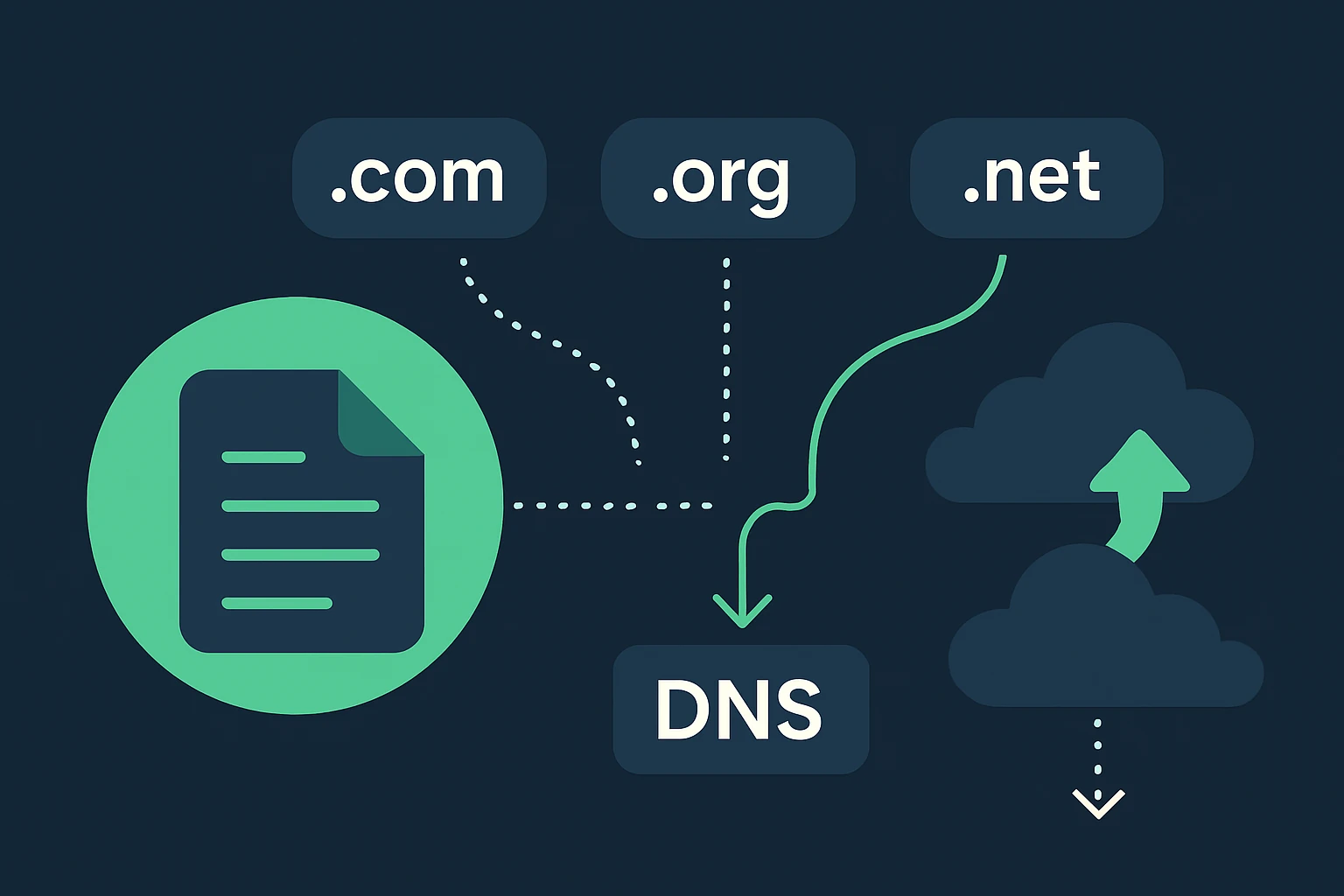
Global domain portfolios - think registries, marketplaces, and large inventories of domains across multiple top‑level domains (TLDs) - face delivery challenges that become acute when traffic originates from all corners of the world. Users expect fast lookups, immediate DNS responses, and high availability even during regional outages or traffic surges. For teams that manage catalogs of domains such as .ltd, .rs, and .ink, a thoughtful approach to cloud routing optimization and traffic engineering is essential to keep performance predictable as portfolios scale. In practice, this means integrating anycast routing concepts, DNS-based failover, and multi‑cloud strategy into a cohesive delivery architecture.
Against this backdrop, CloudRoute’s readers should consider how to align routing decisions with real-world usage patterns: where your users are, which cloud regions host your most popular domains, and how quickly you can recover from localized failures without disrupting end‑user experiences. The core idea is simple but powerful: route users to the nearest, healthiest edge, and keep those routes up to date as conditions change. Recent industry observations highlight that distributed edge networks and global DNS services can provide near real‑time rerouting in response to outages or degraded performance, a capability that is particularly valuable for dynamic domain catalogs that must remain responsive under varying load and geography. (umatechnology.org)
Why traffic engineering matters for global domain portfolios
When a catalog serves customers across continents, every additional millisecond of latency compounds the user’s perception of speed and reliability. A robust traffic engineering program helps minimize this impact by ensuring DNS responses, routing decisions, and edge provisioning collectively steer traffic toward locations that deliver the best end‑to‑end performance. For domain lists that are updated frequently or segmented by geography - such as a downloadable catalog of domains by TLD - misaligned routing can inadvertently increase query latency, cause uneven load distribution, or slow down critical lookup workflows. In practice, a multi‑layer approach typically yields the best results: fast DNS, intelligent edge routing, and resilient failover mechanisms that operate in concert rather than in isolation. (umatechnology.org)
In addition to latency, uptime reliability is a core requirement for catalog platforms. DNS‑level failover, when combined with edge routing and health‑aware load distribution, can dramatically reduce the impact of regional outages. Modern DNS and routing architectures can detect failures quickly and redirect traffic to healthy endpoints with minimal service interruption, helping to preserve user trust and ensuring uninterrupted access to catalog data and domain details. This is a discipline where the payoff scales with your global footprint and the complexity of your multi‑cloud setup. (cloudflare.com)
Core technologies powering cloud routing optimization
Anycast routing and proximity
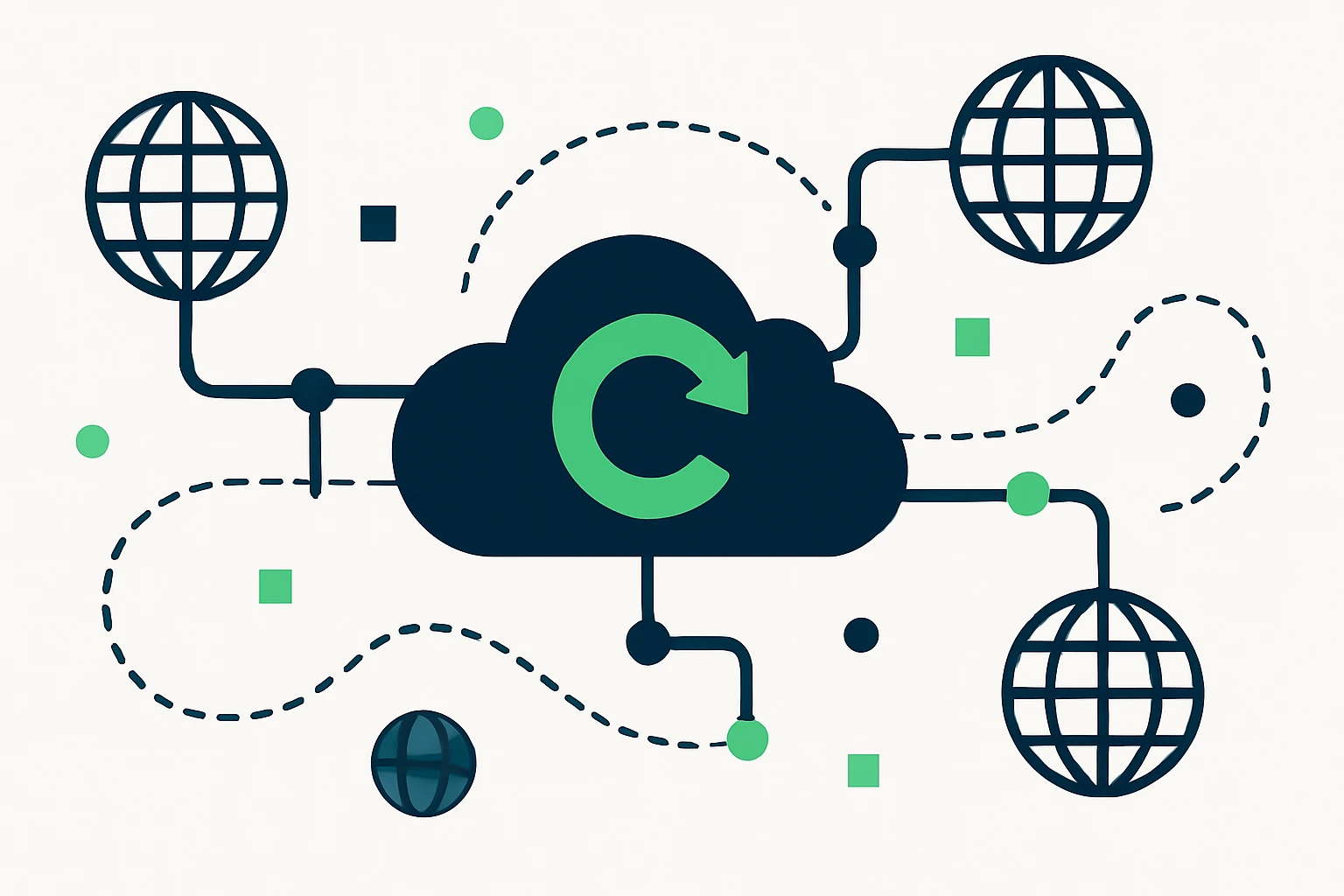
Anycast routing advertises the same IP address from multiple locations, and the network automatically directs each user’s request to the closest or best‑performing edge. This proximity-based routing reduces the distance data must travel, often delivering lower latency and improved resilience in the face of regional congestion or outages. For domain catalogs with global reach, anycast can help ensure that DNS queries and edge requests are served from the most suitable PoP (point of presence) near the user, thereby lowering latency and improving perceived performance. Industry analyses describe how large‑scale anycast deployments enable rapid rerouting in response to network conditions and outages, reinforcing the value of this approach for global domain delivery. (umatechnology.org)
DNS failover strategies and health‑aware routing
DNS failover is a cornerstone of resilient delivery, enabling automated redirection of traffic to backup endpoints when a primary origin becomes unavailable or underperforms. A well‑designed DNS failover strategy typically includes health checks, health‑aware record updates, and coordination with edge routing to minimize disruption. Modern implementations emphasize the importance of layered resilience: DNS failover as the first line of defense, complemented by edge load balancing and cross‑cloud routing to preserve uptime even when one provider or region experiences issues. Contemporary guidance from leading providers emphasizes near real‑time failover capabilities and the role of fast DNS in reducing service gaps, especially for globally distributed catalogs. (cloudflare.com)
Health‑aware traffic steering in multi‑cloud environments
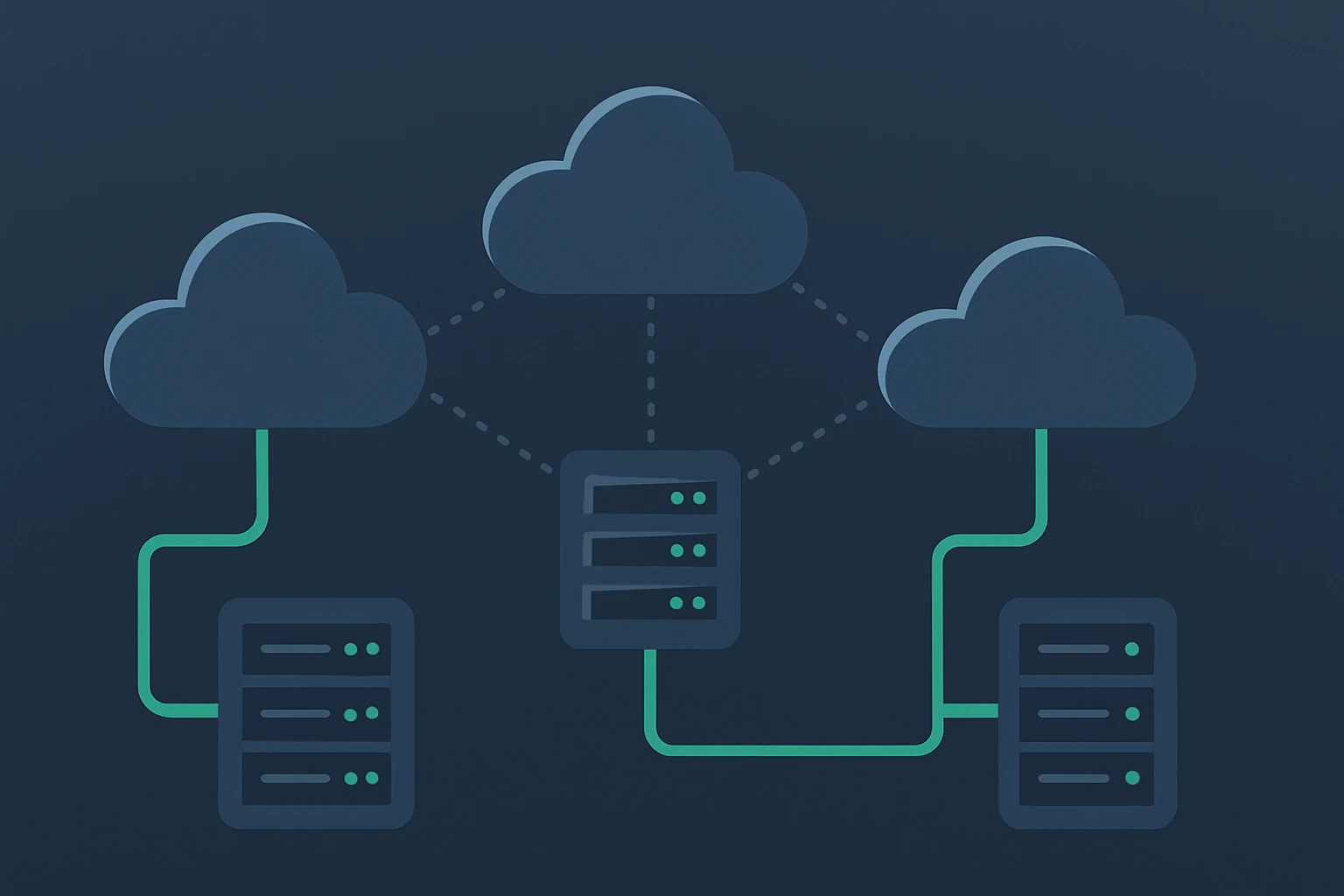
For organizations delivering catalog data across AWS, GCP, Azure, and other cloud platforms, steering traffic toward the most responsive and reliable edge often means combining edge load balancing with intelligent routing policies. While DNS failover handles endpoint availability, edge routing decisions determine which backend or region answers the request once DNS has directed the client toward the closest edge. The goal is to converge DNS reachability with edge health signals so that latency and reliability are both optimized, across all geographies and providers. This approach aligns with modern reference architectures that prioritize near‑real‑time responsiveness and cross‑provider coordination to maintain performance in multi‑cloud deployments. (cloudflare.com)
Traffic Engineering Decision Framework
To bring discipline to cloud routing optimization, use a repeatable framework that ties data, design, and operation together. The following four‑step framework focuses on realism and measurable outcomes for global domain catalogs:
- Discover - Inventory current traffic patterns, regional demand, DNS TTLs, and health signals across all edge locations and cloud providers. Build a baseline latency map and uptime metrics by geography and by domain category (.ltd, .rs, .ink, etc.).
- Design - Choose a layered approach: describe the mix of anycast edge routes, DNS failover behavior, and multi‑cloud topology. Define service levels (SLOs) for latency and availability, and identify the PoPs that will host the majority of catalog traffic.
- Deploy - Implement edge routing policies and DNS configurations, and coordinate with your cloud providers to ensure consistent health checks and fast failover. Roll out gradually, starting with regions of highest traffic and known latency hotspots.
- Validate - Continuously monitor latency, uptime, and failover effectiveness. Use synthetic probes and real user measurements to compare against baselines, and tune rules based on observed behavior. Close the loop with frequent reviews and updates to routing decisions as traffic patterns evolve.
For teams building this from scratch, the emphasis should be on achieving near real‑time visibility into edge health and latency, and on ensuring DNS and edge routing operate in harmony rather than at cross purposes. Cloud‑level tooling and documented playbooks can help safeguard against drift over time and make improvements more repeatable. The overall objective is to minimize the user‑perceived latency while maximizing uptime, across all geographies and domains in the catalog. (cloudflare.com)
Limitations, trade‑offs, and common mistakes
While cloud routing optimization offers substantial benefits, it is not a silver bullet. A few practical limitations and common missteps to watch for include:
- DNS TTL and apparent immediacy: DNS failover relies on DNS resolution timing, so there can be a delay before a reroute is visible to users. A layered approach that combines DNS failover with edge routing and health‑based failover reduces exposure to TTL constraints. (cloudflare.com)
- Latency visibility gaps: Relying on synthetic tests alone can miss real‑user experience variations. Combine synthetic checks with real user monitoring (RUM) and cross‑region dashboards to capture end‑to‑end performance more accurately.
- Over‑engineering per region: Optimizing for every region individually can lead to configuration complexity and management burden. Start with the largest geography clusters and scale progressively, ensuring consistency across regions.
- Vendor lock‑in risk: Tightly coupling routing logic to a single provider’s feature set can reduce flexibility. Favor open, standards‑based approaches where possible, and validate that your routing remains robust if a provider changes a service model.
Taken together, these considerations reinforce the value of a layered resilience strategy: DNS failover, edge routing, and cross‑cloud health signals all play complementary roles. Real‑time or near real‑time failover capabilities are powerful, but they are most effective when used as part of a broader, adaptive delivery architecture. (cloudflare.com)
Practical implications for domain portfolios
Catalog platforms that publish or distribute domain lists - such as those that provide a downloadable list of .ltd domains or a global directory of domains by TLD - benefit from routing designs that minimize latency for query lookups and domain metadata retrieval. The combination of anycast edge delivery and DNS failover translates into more reliable user experiences, even as the catalog grows or geography shifts. For teams that operate multi‑vendor or multi‑cloud edge deployments, aligning DNS, routing, and health checks across providers helps maintain a consistent service level for end users. For practitioners who catalog domains by TLD, sources such as Webatla offer a pragmatic way to anchor geography and inventory discussions while testing routing strategies against real, live domain datasets. download list of .ltd domains and download list of domains by TLD can serve as practical inputs for traffic‑engineering scenarios and capacity planning. For a broader data reference, the publicly accessible RDAP & WHOIS database can be a companion resource: RDAP & WHOIS Database.
Case for a structured, vendor‑neutral approach
Although CloudRoute’s hub emphasizes cutting‑edge cloud routing and traffic engineering, the best outcomes arise when organizations adopt vendor‑neutral design principles and validate performance with real data. While some providers advertise near real‑time failover, practitioners should treat DNS as one part of a multi‑layer resilience strategy. The most credible guidance in this space highlights the importance of global edge presence, health‑aware routing, and near real‑time rerouting capabilities, especially for globally distributed catalogs and services that rely on rapid domain lookups and metadata delivery. (cloudflare.com)
Conclusion
For teams managing global domain portfolios, cloud routing optimization is less about a single magic switch and more about orchestrating a set of complementary capabilities: anycast proximity, DNS failover with health checks, and robust multi‑cloud routing strategies. When these elements work in harmony, catalog platforms can deliver consistently fast domain lookups and high availability - even as catalogs grow, users disperse, and cloud landscapes evolve. As you plan your next optimization cycle, start with a clear framework, validate decisions against real‑world data, and embrace a layered resilience model that treats DNS, edge routing, and cross‑provider health as equal partners in performance. For practitioners seeking practical datasets and sources, Webatla’s domain lists and RDAP/WHOIS data offer concrete inputs to stress test routing ideas across real domains and geographies.