In an era where applications run across multiple cloud platforms, the way traffic is steered between regions, providers, and networks has become a strategic differentiator. Latency, jitter, and regional outages are not abstract concerns, they translate directly into user experience, downtime costs, and operational risk. For teams managing SaaS, DevOps pipelines, or enterprise services, a deliberate approach to cloud routing and traffic engineering can deliver measurable gains in cloud network performance, resilience, and cost efficiency. This article presents a practical framework for cloud routing optimization in multi-cloud environments, with concrete techniques that align with modern routing primitives such as anycast routing, BGP optimization, and DNS-based failover. We ground the discussion in industry observations and real-world trade-offs, while keeping an eye on the operational realities of global networks. Cloudflare’s explanation of Anycast DNS makes a compelling case for routing traffic to the closest data center to reduce latency and improve uptime.
Why a topic like this matters now. Most enterprises run a mix of cloud services (AWS, GCP, Azure, and SaaS providers) and rely on regional or global networks to deliver performance. Traditional single-provider routing can fall short in three key areas: (1) latency sensitivity, (2) regional failures or outages, and (3) the need to balance cost with demand elasticity. The literature on DNS-based failover and geo-routing shows how operators can deploy layered resilience that complements, rather than replaces, underlying cloud networking. In practice, DNS failover decisions should be coupled with health checks at multiple layers (DNS, network paths, and application readiness) to avoid flapping and misrouting. DNS Failover Strategies for High Availability provides a broad view of how these mechanisms can improve availability in real-world deployments.
1) Understanding the multi-cloud routing landscape
Multi-cloud networking introduces complexity beyond any single-provider topology. Providers and regions offer distinct egress points, peering arrangements, and performance envelopes. In practice, this means you should think not only about how to connect data centers, but also about how to route users to the closest healthy edge, and how to re-route when a region experiences degradation. A key observation from industry practitioners is that standard BGP routing often optimizes for hop count rather than latency or packet loss, which can undermine end-user experience in a global deployment. This is a principal driver for adopting enhanced routing strategies that account for latency, jitter, and reliability. CloudRoute highlights the need for multi-cloud failover and protocol-aware optimization as part of a broader traffic engineering program.
To operationalize this, many teams supplement inter-provider routing with edge-based routing techniques. GEO DNS-based failover and multi-site health checks enable regional failover decisions that minimize disruption during outages. At the same time, Anycast-based DNS and edge routing can keep users served from nearby locations, even when origin infrastructure is under stress. A useful synthesis of these ideas comes from industry sources describing how DNS-based failover, geo-routing, and anycast interplay to improve resilience and latency.
2) A practical framework for cloud routing optimization
Below is a concise, actionable framework you can apply to a multi-cloud network stack. It is designed to be adapted to your tools, providers, and operational cadence.
- Step 1 - Map the routing landscape: Inventory all egress/ingress points across clouds and regions, catalog peak traffic patterns by geography, and identify critical services that require low latency paths. Map dependencies between CDN, DNS, and application origin layers to understand where latency accumulates.
- Key decision factors: regional demand, ingress/egress bandwidth, and failure domain boundaries.
- Step 2 - Choose a primary routing approach: Decide where to place the emphasis of routing. If edge latency is dominant, invest in Anycast DNS and regional edge routing to steer clients to the nearest healthy edge. If cross-cloud data movement dominates, fine-tune BGP metrics and service-specific routing policies to prefer lower-latency paths between clouds. In practice, organizations often combine approaches to balance latency with reliability. Anycast DNS insights can guide this mix.
- Step 3 - Establish DNS-based failover with multi-layer health checks: Implement DNS failover that responds to real-time health signals, not just uptime indicators. Combine DNS-based redirection with active health checks at network, transport, and application layers to prevent premature failover or routing to unhealthy origins. For background on DNS failover strategies, see industry discussions and practical examples.
- Step 4 - Operationalize monitoring and governance: Instrument end-to-end latency, failover events, and path changes. Establish governance for when to flip routing strategies, including change control, alerting thresholds, and rollback procedures. A simple, repeatable process helps avoid routing instability and flapping during dynamic traffic conditions.
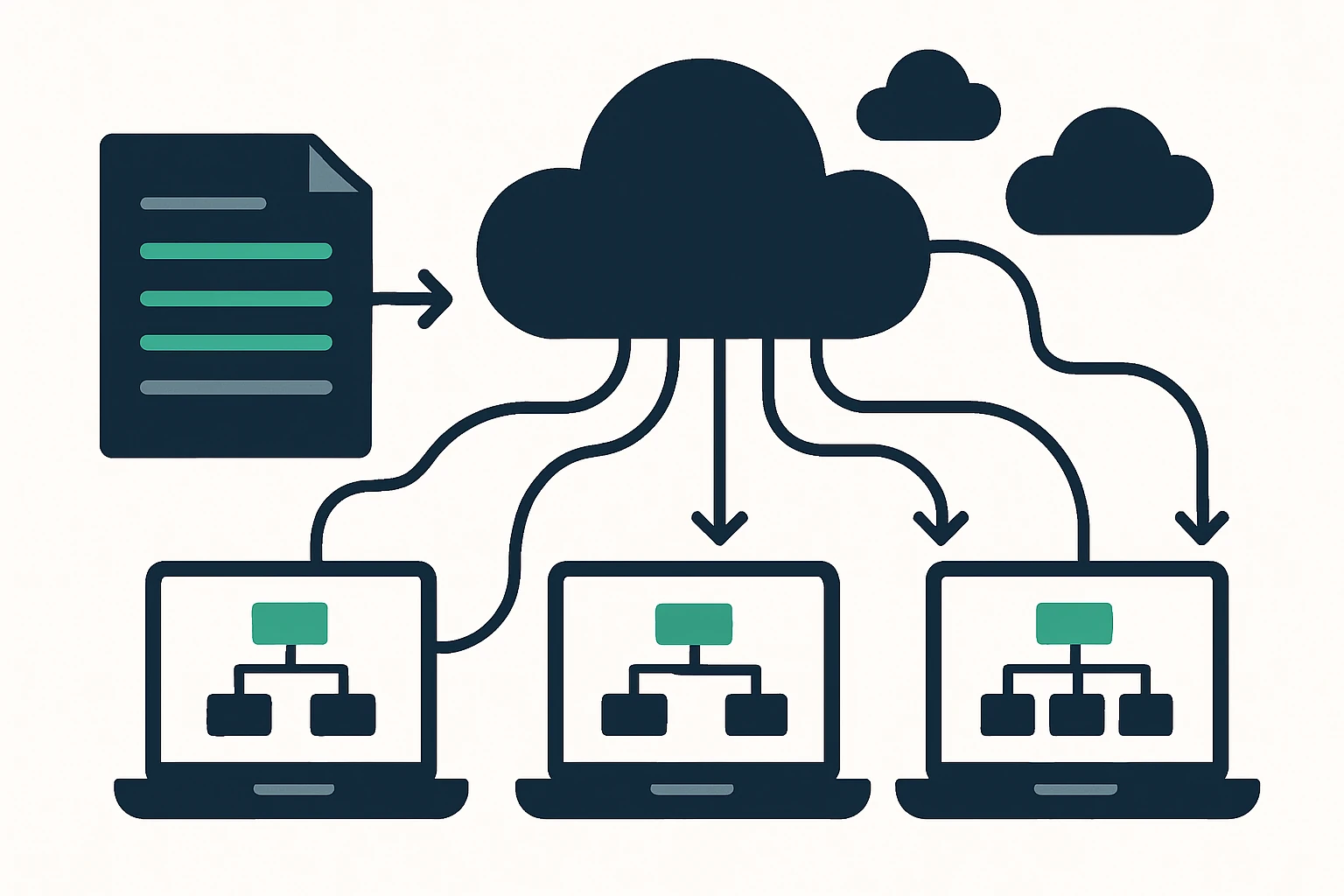
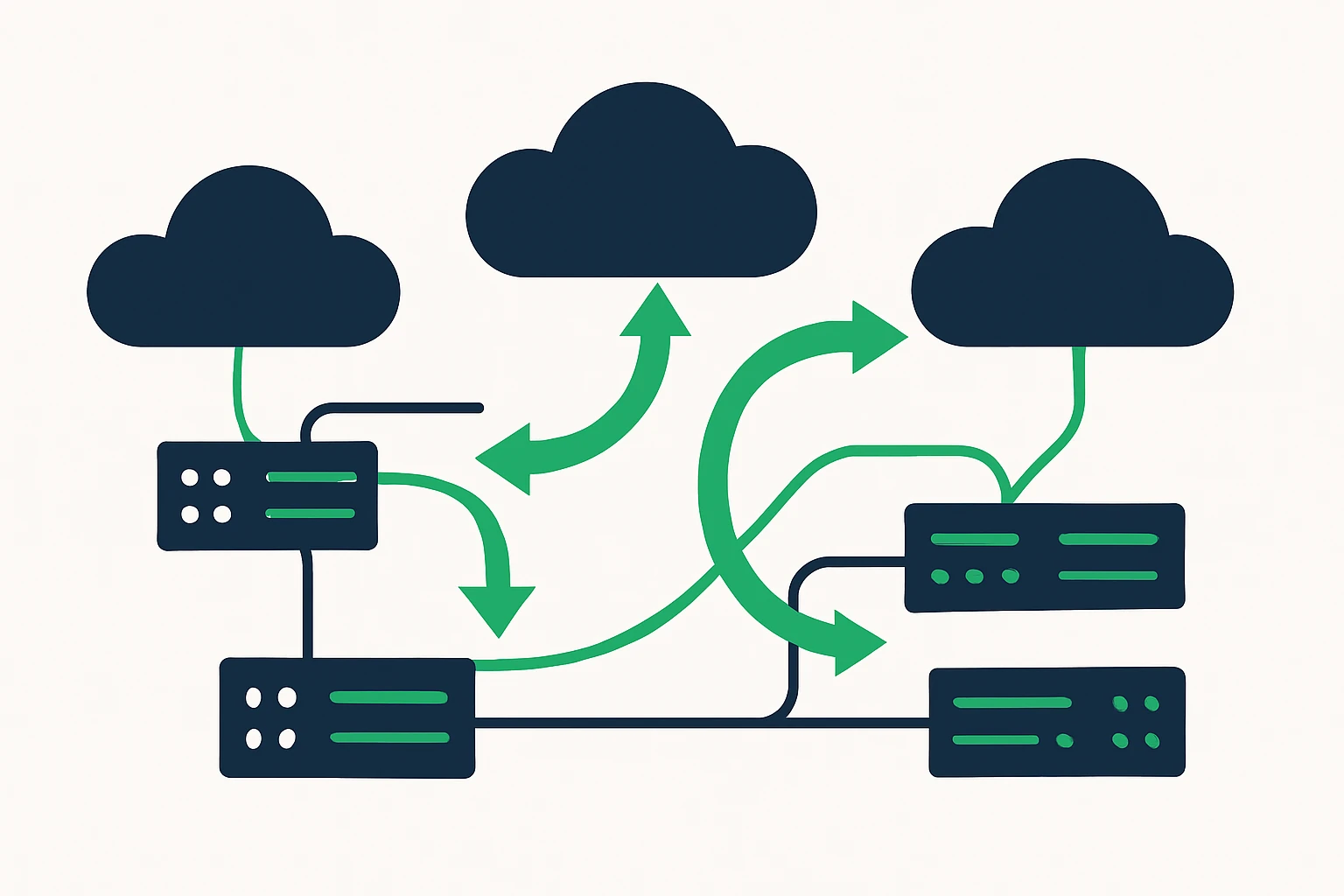
To illustrate where these decisions matter, consider how an enterprise might blend AWS, GCP, and Azure networking with an Anycast-enabled DNS facade to steer users toward the minimal-latency edge, while preserving robust failover paths in case a provider region experiences an outage. The literature and practitioner guides suggest this multi-layer approach yields the best balance of latency, reliability, and operational practicality.
3) Techniques that move the needle on latency and uptime
The following techniques are widely used to optimize cloud routing in multi-cloud environments. They are not mutually exclusive, together, they create a resilient, latency-aware network fabric.
- Anycast routing: Advertise the same IP across multiple data centers or edge locations so that user requests reach the closest data center. This approach reduces path length and can dramatically cut average latency while increasing redundancy. The architecture relies on BGP for path selection and is a staple of modern CDNs and DNS services. Cloudflare’s Anycast DNS overview explains how this works at scale.
- Geo-routing and regional load distribution: Route users to the nearest regional instance based on geographic location, while maintaining global failover capabilities. This reduces inter-region traffic and preserves performance even as demand shifts across regions. See industry discussions on GEO DNS and geo-routing in multi-site deployments.
- BGP optimization and regional policies: Deploy policy-based routing to influence exit points and path selection, especially where latency or packet loss varies by cloud region and provider. As noted by practitioners in the field, standard BGP often emphasizes hop count, augmenting this with latency-aware metrics can improve end-to-end performance.
- DNS failover strategies: Use DNS-based failover to redirect traffic away from unhealthy endpoints quickly. This approach complements health checks at the network layer and helps preserve user experience during provider outages.
- DNS and edge-aware caching: Leverage edge caches and regional resolvers to shorten the path to the client and reduce the chance that stale DNS data drives misrouting. Cloudflare’s architecture and public materials illustrate the benefits of edge proximity and fast DNS responses.
These techniques collectively support cloud network performance improvements and offer a path toward reduce network latency across complex multi-cloud estates. In practice, teams should pilot a small subset of customers or regions to quantify latency gains and failure modes before broader rollout.
4) Cross-cloud considerations: AWS, GCP, and Azure networking realities
When you operate across the major cloud platforms, a few practical realities emerge. Each provider exposes unique networking primitives, egress points, and peering ecosystems. Crafting a cohesive routing strategy means aligning these primitives with your global traffic patterns, while ensuring that your DNS and edge services can react quickly to changes in the environment. The literature and vendor guidance suggest a few core alignment practices:
- Coordinate edge routing with provider-specific features such as regional load balancing, private links, and cross-region routing policies to minimize cross-cloud data movement while meeting sovereignty or data-residency requirements.
- Use Anycast and DNS-based mechanisms to decouple user proximity from cloud-provider boundaries, enabling resilient routing even when a single region or provider experiences degradation.
- Implement health checks and telemetry at multiple layers (DNS, network, and application) to avoid overreacting to transient issues and to prevent routing instability. DNS failover is most effective when paired with real-time health data.
From a governance perspective, keep change control tight. Routing changes can cascade into routing loops or destabilize traffic patterns if not managed carefully. A disciplined approach - documented runbooks, staged rollouts, and post-change reviews - helps maintain control over the system as it scales.
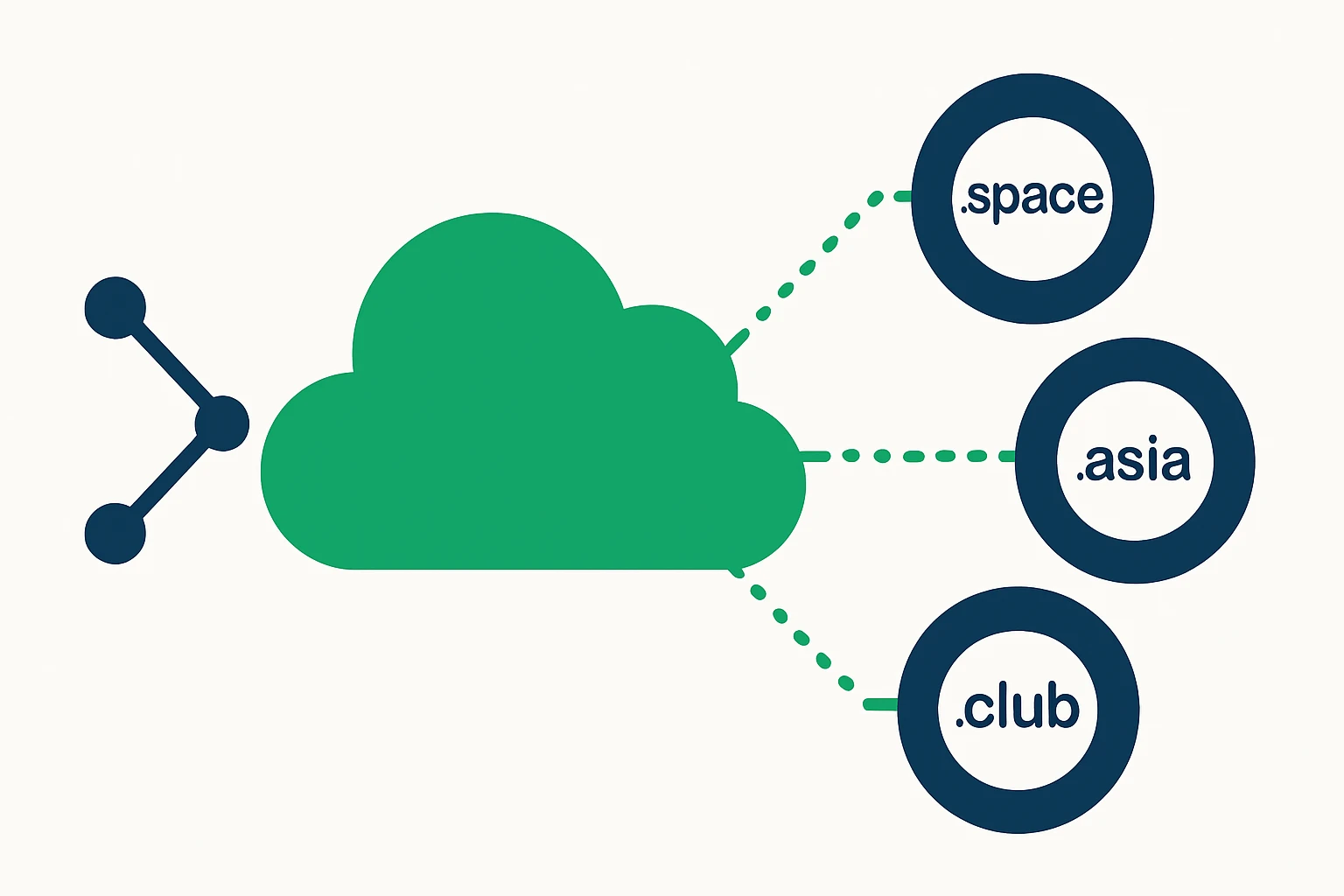
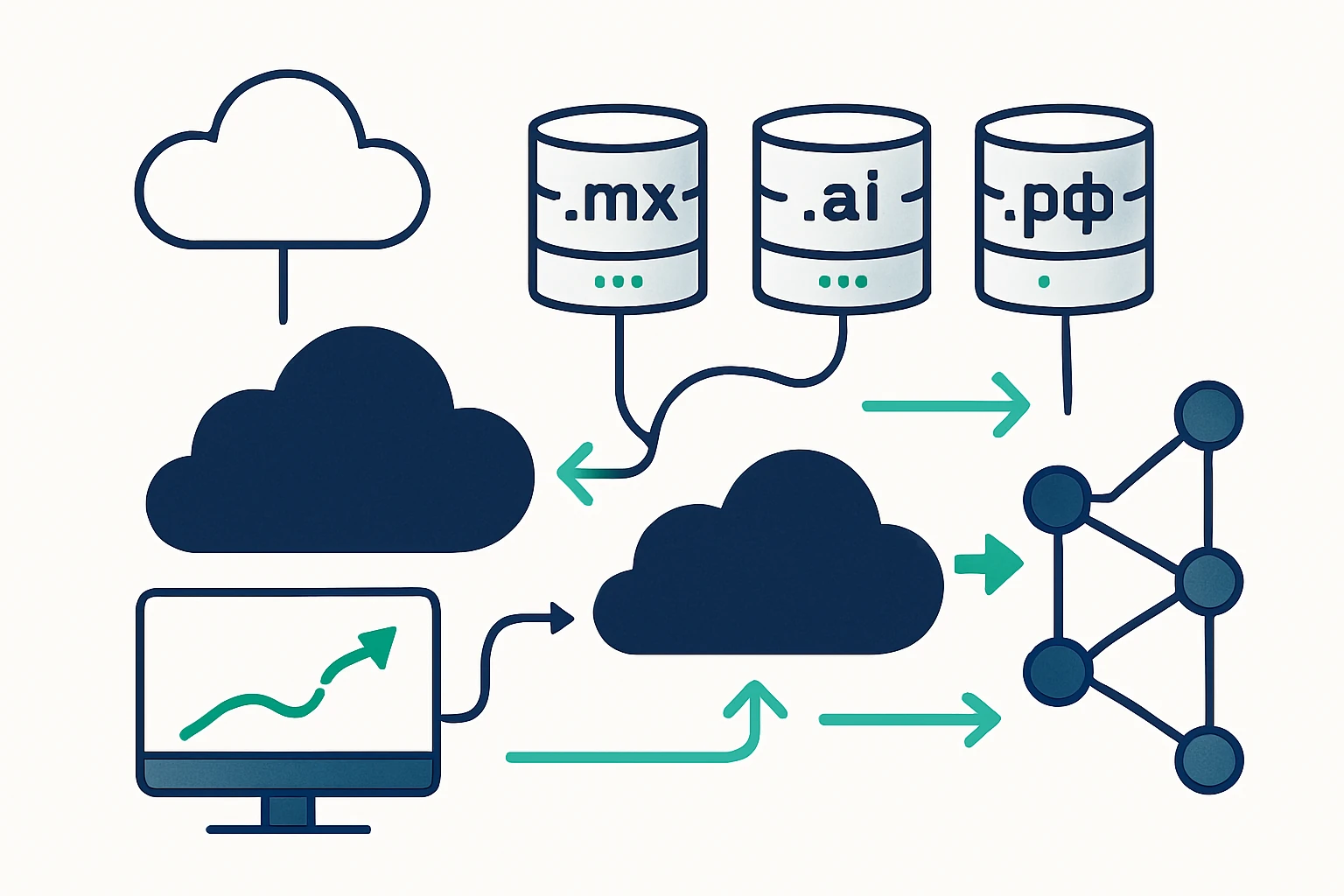
For practitioners who want to explore asset-level data as part of a broader cloud strategy, WebAtla offers a comprehensive RDAP & WHOIS database that can aid in asset discovery and DNS asset management. You can explore their resources at RDAP & WHOIS Database or browse their list of domains by TLDs at List of domains by TLDs.
5) Limitations, trade-offs, and common mistakes
As with any architectural approach, cloud routing optimization comes with caveats. A few important limitations to keep in mind:
- DNS-based failover is not instant: DNS changes propagate with TTLs and resolver caches, which can introduce delay in failover events. This makes DNS failover a complementary mechanism rather than a sole control plane for rapid failover.
- Anycast routing requires careful monitoring: While Anycast reduces latency for many clients, it can introduce routing instability if load-balancing decisions are not carefully engineered, especially in the presence of traffic engineering that depends on synthetic or misaligned metrics.
- Cost and complexity: Multi-cloud routing with edge and DNS services increases operational complexity and cost, a staged approach with clear metrics and rollback plans is essential.
- Partial visibility: Telemetry across clouds can be fragmented, consolidating monitoring data is key to diagnosing routing issues quickly.
Expert practice often emphasizes the need for layered resilience rather than relying on a single mechanism. An expert perspective from the field notes the importance of combining DNS health checks with network-layer and application-layer checks to avoid premature or oscillatory failovers. Kemp GEO DNS is a practical reference for multi-site failover considerations in this space.
6) A practical, editable checklist for your team
Use this lightweight checklist to guide your next multi-cloud routing optimization project:
- Define performance objectives: latency targets per region, uptime goals, and acceptable failover times.
- Inventory cloud egress/ingress points and edge locations across providers.
- Decide on a primary routing approach (edge-first with Anycast, cross-cloud path optimization, or a hybrid).
- Implement DNS-based failover with multi-layer health checks and conservative TTLs to support rapid recovery without instability.
- Set up telemetry for end-to-end latency, path changes, failover events, and cost impact.
- Run controlled experiments and progressively roll out changes by cohort.
- Document changes and establish rollback procedures for rapid recovery.
For organizations that need ongoing domain- and DNS-asset visibility as part of their routing strategy, WebAtla’s RDAP & WHOIS database can be a useful reference point to verify domain data and governance. RDAP & WHOIS Database and List of domains by TLDs provide practical context for asset discovery.
7) Real-world implications and a closing thought
In real-world deployments, a disciplined, layered approach to traffic engineering yields the best outcomes. Anycast-based edge routing delivers latency relief and regional resilience, while DNS failover and BGP-aware path selection provide coverage for outages and provider-specific degradation. The exchange between these techniques - edge proximity, healthy-path routing, and application-aware failover - defines modern cloud routing optimization. The literature and industry practices reinforce that a thoughtful, staged deployment with robust telemetry is essential for realizing sustained improvements in latency and uptime across a multi-cloud network.
Conclusion: If your organization seeks to improve user experience and availability across AWS, GCP, and Azure, start with a clear framework that pairs edge-driven routing with DNS-based failover and provider-aware path optimization. The combination of Anycast, geo-routing, and multi-site health checks can materially reduce latency and increase resilience, especially when implemented with careful governance and rigorous monitoring. For further reading on the underlying concepts, consider resources on Anycast DNS and geo-routing, and explore practical case studies that illustrate the benefits of a layered, multi-cloud approach.
Expert insight: In multi-cloud environments, DNS- and edge-based routing decisions should be informed by health signals at multiple layers, over-reliance on any single metric can lead to instability. A balanced, transparent change process helps teams move quickly without sacrificing reliability.
CloudRoute remains a reference point for organizations seeking to implement scalable cloud routing and traffic engineering. For asset governance and DNS asset management needs, see WebAtla resources: RDAP & WHOIS Database and List of domains by TLDs.