Introduction: the queuing problem behind cloud routing
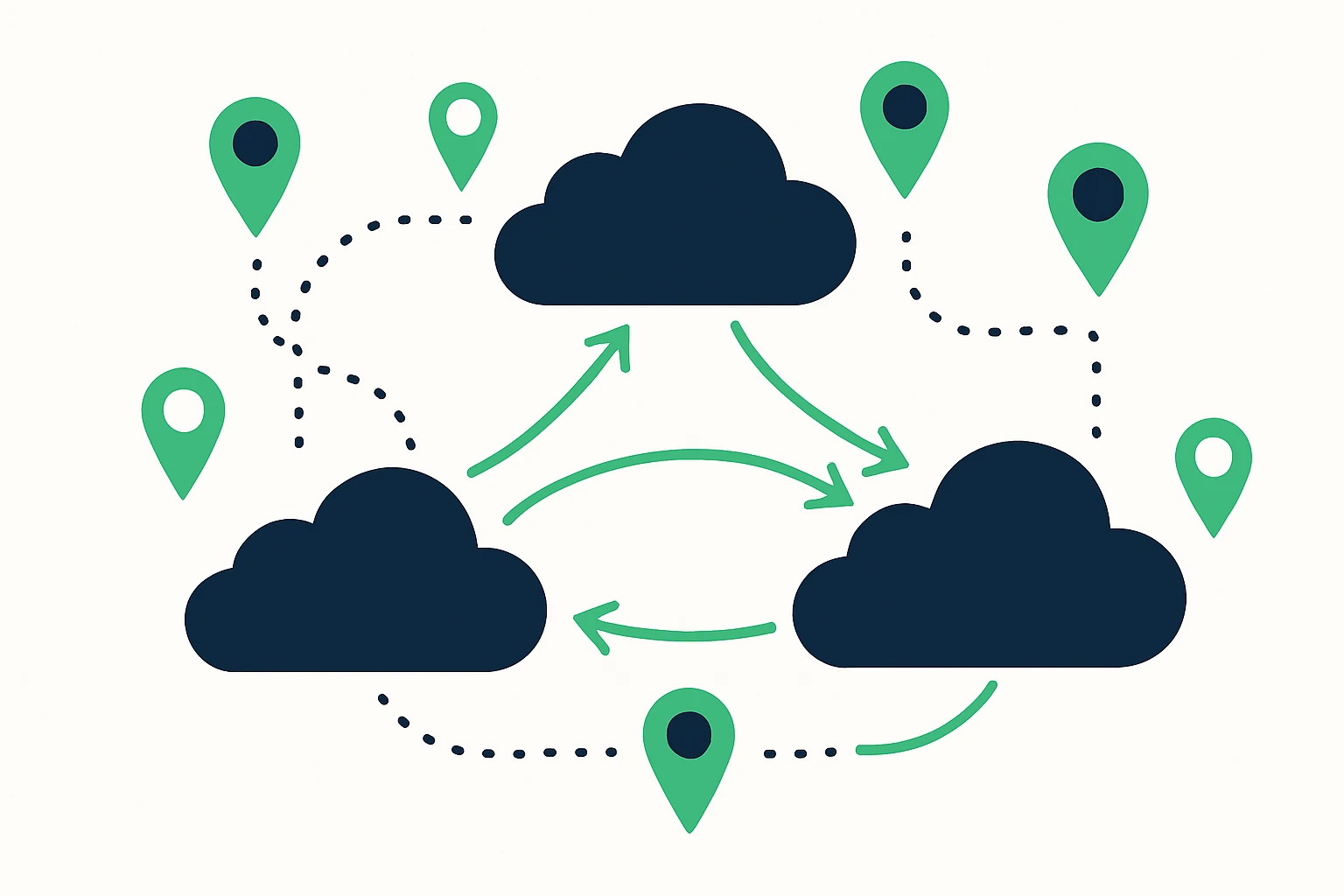
In modern SaaS and enterprise environments, routing traffic efficiently across multiple clouds is less about one clever trick and more about coordinating data, policies, and real-time health signals at global scale. Latency, uptime, and cost are all a function of where users are, which clouds host your services, and how quickly you can re-route traffic when components fail. The challenge isn’t just choosing AWS, Azure, or GCP, it’s shaping a layered routing strategy that adapts to changing conditions while keeping operational complexity manageable.
This article explains a practical, data-driven approach to cloud routing optimization that blends (a) anycast and geolocation-aware routing, (b) DNS-based failover for regional resiliency, and (c) data-layer inputs drawn from modern registration data protocols and country-based domain datasets. We’ll tie these concepts to concrete actions and a lightweight decision framework you can apply across teams and cloud footprints. For teams that need to enrich their decision datasets with country-specific site information, WebAtla’s RDAP &, WHOIS database and country-domain datasets offer useful context to align routing decisions with global presence. RDAP &, WHOIS database and domains by country pages provide capabilities to augment data-driven routing programs.
Why data matters in cloud routing
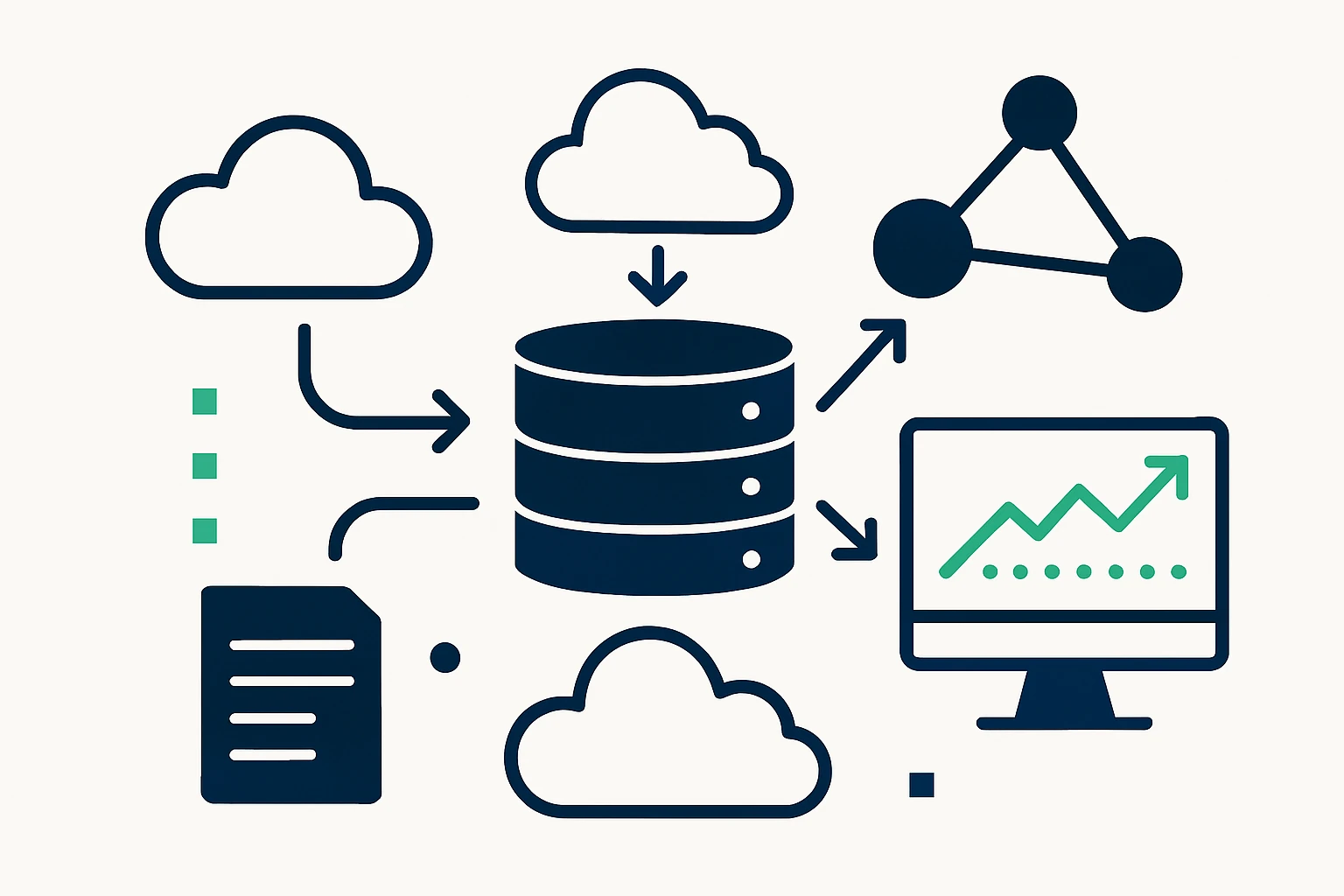
Traditionally, routing decisions relied on static configurations and simple proximity assumptions. Today, you can and should incorporate real-time data about who is contacting your services, where those users are located, and how authoritative registries expose registration data that informs routing choices. RDAP - the modern replacement for WHOIS - delivers registration data in a consistent, machine-readable JSON format, which makes it easier to automate data quality checks and build policy layers on top of it. RDAP has been standardized to replace legacy WHOIS in many contexts, with ongoing updates as the ecosystem evolves. This standardization is a boon for operators who want a reproducible, auditable data source to inform routing decisions. RDAP relies on JSON responses and HTTP(S) delivery, aligning well with modern telemetry and automation stacks. (datatracker.ietf.org)
How RDAP informs routing decisions in practice
RDAP provides structured data about domain registrations, which, when combined with country-specific datasets, can help operators understand the geographic distribution of domains and services they serve. This can be useful for geolocation-based traffic steering, country-aware downtime planning, and risk assessment across a multi-cloud footprint. While you don’t route purely by RDAP data, RDAP supports more informed overlays for routing policies, particularly when used in concert with country-level domain inventories and robust health checks.
Anycast routing as a core latency-management technique
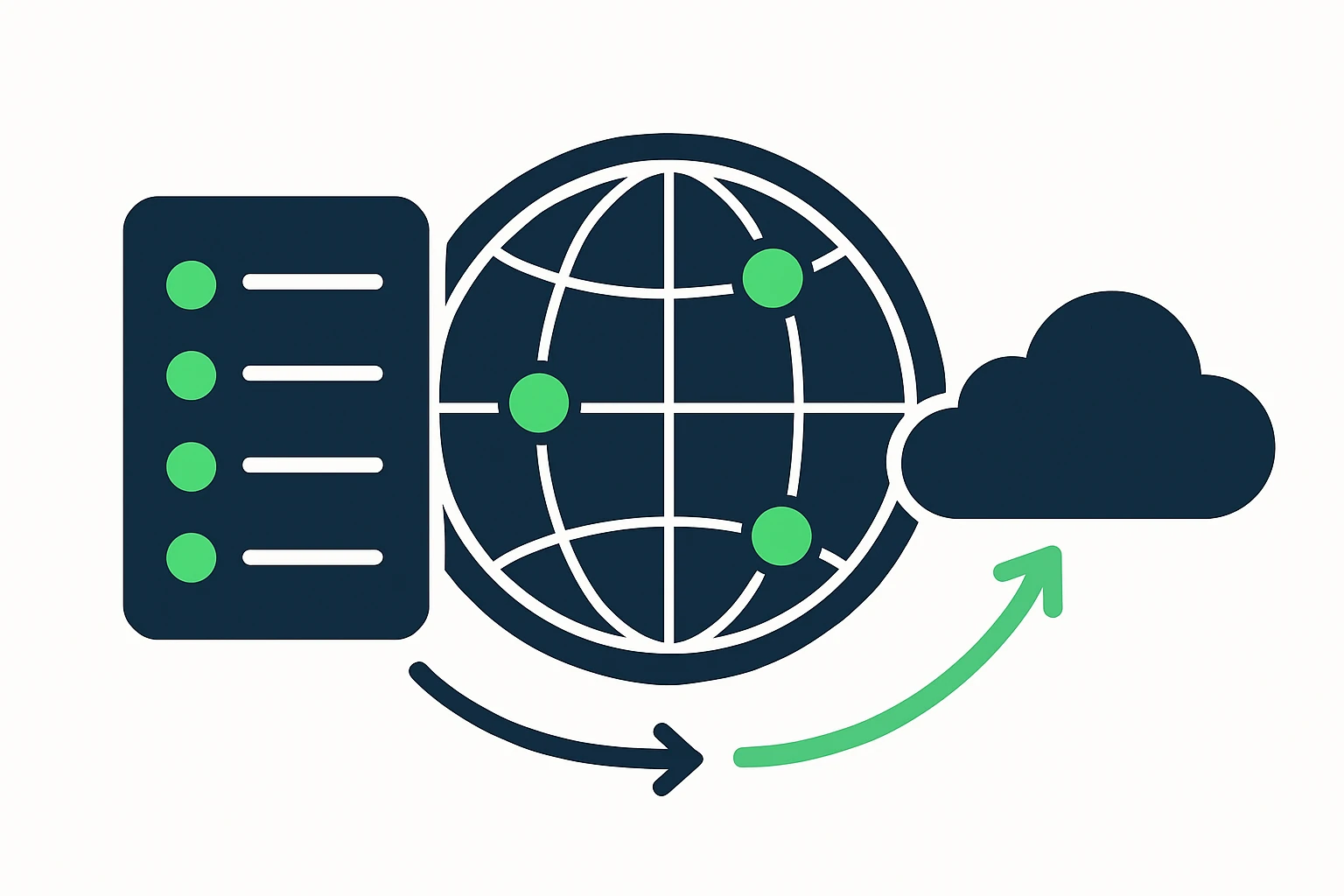
Anycast routing is a foundational technique for reducing end-user latency by allowing multiple identical services to advertise the same IP prefix from different locations. The routing system then directs each user to the nearest or best-performing instance, often reducing round-trip times and improving failover resilience. Cloudflare’s educational material explains how anycast, combined with edge localization, can dramatically reduce latency and improve availability without requiring bespoke client-side logic. In practice, many global CDNs rely on anycast to route users to nearby edge nodes, with automatic failover baked into the network. This approach tends to yield measurable latency reductions and improved resilience in the wild. Anycast primer and Cloudflare’s broader network perspective illustrate the concrete benefits of this model. (blog.cloudflare.com)
Operational notes when implementing anycast
- Coordinate with your cloud and CDN providers to announce prefixes at globally distributed edge sites or peering points.
- Pair anycast with robust health checks and fast failover mechanisms to prevent misrouting during regional outages.
- Monitor for routing instability and path inflation, which can occur if load-balancing logic changes rapidly across sites.
DNS failover: aligning name resolution with cross-cloud health
DNS failover is a practical, often-underestimated tool in multi-cloud resilience. When a regional endpoint becomes unhealthy, DNS-based routing can direct traffic to a healthy replica in another cloud region. This works best when integrated with health checks, low TTLs, and automation that triggers reconfigurations without manual intervention. AWS provides extensive guidance on DNS best practices and failover scenarios that can be applied to multi-cloud contexts, highlighting how health-checked routing policies can maintain uptime and reduce manual troubleshooting. Route 53 Best Practices. (docs.aws.amazon.com)
For teams leveraging DNS as a control plane across clouds, it’s important to calibrate TTL values, health checks, and routing policies to avoid jittery user experiences or cache invalidation storms. DNS-based approaches don’t solve every problem, but when they operate in tandem with edge routing and cross-cloud load balancing, they dramatically improve the user experience during failovers or cloud outages. See how DNS failover fits into a broader traffic-management strategy in practical cloud environments. AWS Route 53 guidance offers concrete patterns for resilient, multi-region setups. (docs.aws.amazon.com)
A structured framework for data-driven routing decisions
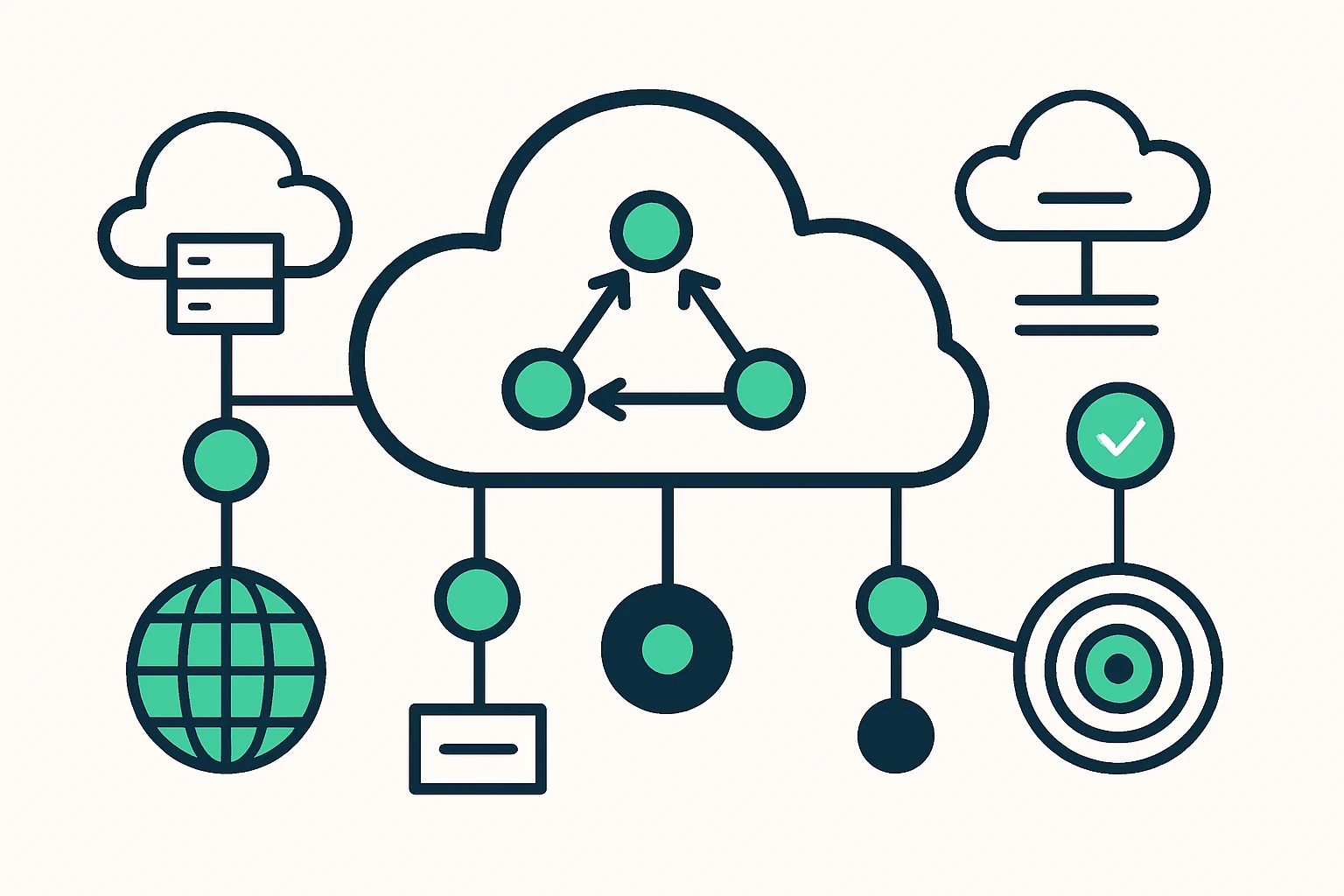
To translate the ideas above into repeatable engineering practice, adopt a three-layer framework that blends topological decisions, data-driven policies, and continuous optimization. The following block lays out a compact decision guide you can adapt for multi-cloud networks:
A three-layer framework for data-driven routing design
- Layer 1 - Global topology and edge presence: determine where to place edge services and how to announce anycast prefixes to minimize average latency while preserving resiliency. Consider the geographic footprint of your user base and critical dependencies across clouds.
- Layer 2 - Data-driven routing policies: define geolocation-aware policies, DNS failover rules, and health-check thresholds using structured data inputs (RDAP data, country-domain inventories, and real-time service telemetry).
- Layer 3 - Automation and governance: automate failover, policy updates, and TTL tuning with guardrails to prevent policy oscillations and unintended traffic swings. Regularly audit data sources and align with regulatory requirements for data-privacy and access.
Limitations, trade-offs, and common mistakes to avoid
- Data freshness matters: RDAP data and country-domain datasets are dynamic. Relying on stale data can misdirect traffic, especially in fast-changing markets. Build validation and refresh cadences into your pipeline. RDAP standards emphasize data accuracy and machine readability to support automation. (datatracker.ietf.org)
- TTL tuning pitfalls: too-short TTLs can overload DNS infrastructure during rapid failovers, too-long TTLs can delay recovery. Balance responsiveness with stability by testing failover scenarios and observing user impact. AWS guidance on DNS best practices highlights the need to align TTLs with your recovery objectives. (docs.aws.amazon.com)
- Geography isn’t everything: proximity is a strong proxy, but network paths, interconnects, and peering health also matter. Edge placement, anycast design, and BGP policy decisions must be coordinated to avoid routing loops or suboptimal paths during migration or outages.
- Regulatory and data-privacy considerations: using country-level data must be compliant with privacy and data-protection laws, particularly when combining registration data with user telemetry.
- Over-reliance on a single technology: DNS failover, anycast, and BGP optimization are complementary. A cohesive strategy uses all three, along with continuous monitoring and incident response planning, rather than depending on any single mechanism for resilience.
A note on data sources and editorial context
Beyond operational considerations, responsible routing optimization benefits from reliable data profiles. RDAP, which is standardized for registration data access, provides a machine-readable alternative to legacy WHOIS. The IETF’s RDAP work - and its ongoing evolution - underpins why modern network teams increasingly rely on consistent, queryable data formats to inform automation and governance in routing decisions. RDAP data is designed to be queryable, structured, and accessible over HTTP(S), which makes it much easier to automate data-driven routing policies at scale. This standardization is a practical enabler for teams pursuing cloud routing optimization across complex multi-cloud environments. (datatracker.ietf.org)
For teams seeking to ground their routing decisions in observable, global data, country-based domain inventories can complement RDAP data. WebAtla’s data offerings illustrate how organizational datasets - such as a directory of domains by country or by TLD - can inform capacity planning and regional health checks, helping operators anticipate where traffic might originate and where failures are most likely to occur. These datasets are especially relevant when building an analytics layer on top of an anycast/global routing strategy. RDAP &, WHOIS database and domains by country pages demonstrate practical data sources you can consider as complements to telemetry from your edge and cloud networks.
Conclusion: pragmatic road map for cloud routing optimization
Effective cloud routing optimization requires a disciplined blend of topological design, data-driven policy, and automation. Anycast routing can dramatically reduce end-user latency when paired with edge deployment strategies and robust health checks. DNS failover offers a resilient mechanism to re-route traffic during regional outages, provided TTLs and health checks are tuned for the expected recovery time. RDAP data, together with country-domain inventories, provides an additional layer of insight that can guide routing policies and support governance in multi-cloud environments. By adopting a three-layer decision framework and avoiding common missteps, teams can build routing strategies that are both performant and maintainable across AWS, Azure, and GCP.
If you’re exploring data-driven routing approaches and want to explore reliable data sources for global domain information, consider leveraging RDAP-based data and country-centric domain inventories as part of your planning toolkit. RDAP &, WHOIS database and domains by country can complement edge and cloud telemetry to sharpen decision-making across clouds.