Introduction: why cloud routing matters for domain catalogs
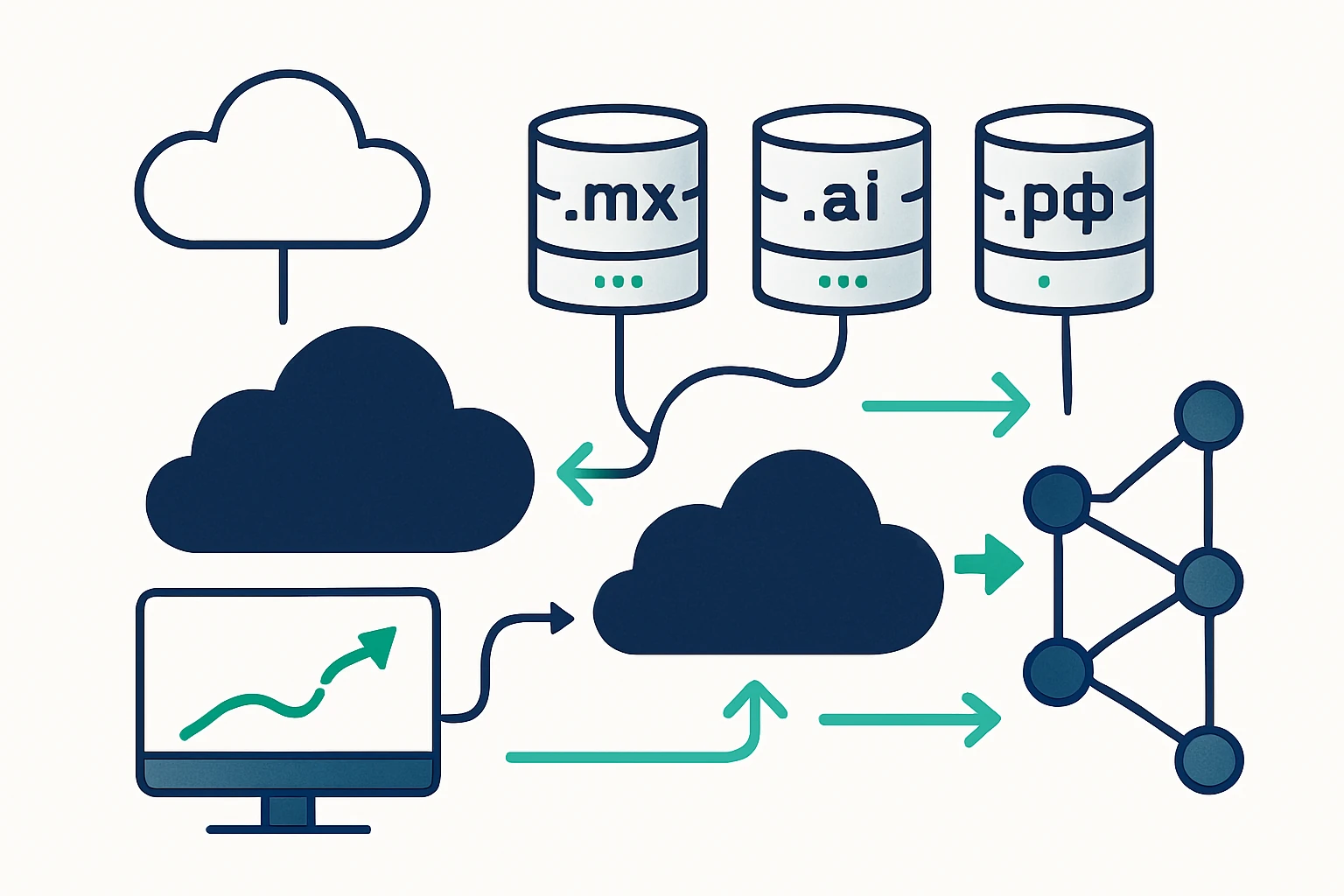
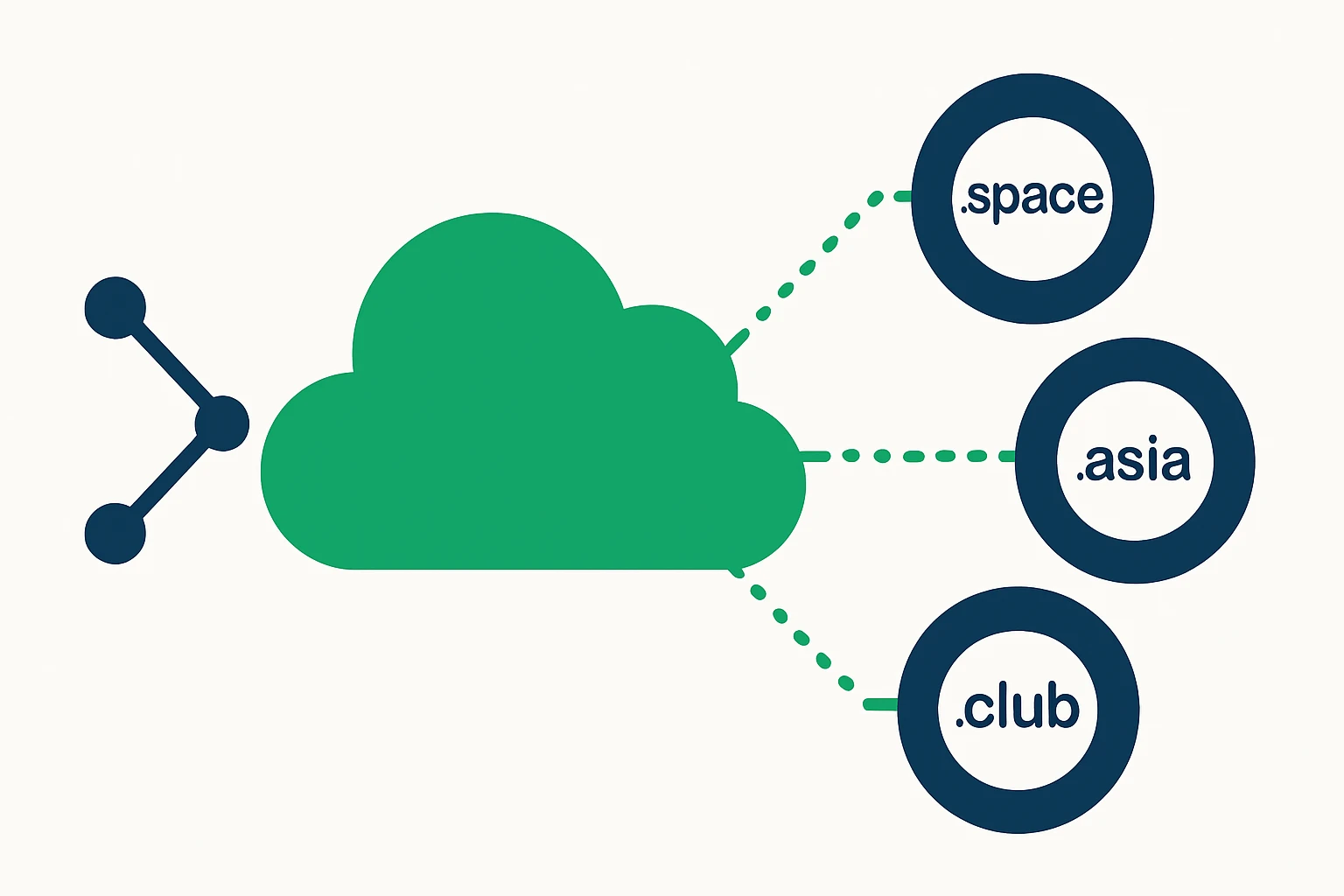
Global teams increasingly rely on catalog-style assets - lists of domains organized by TLDs such as .space, .asia, and .club - to fuel research, threat intelligence, marketing tooling, and brand protection. Delivering these assets with low latency and high availability requires more than a fast DNS or a single data center. It demands a cohesive approach to traffic engineering that takes into account edge proximity, cross‑region routing, and resilient DNS behavior. In short, cloud routing optimization isn’t a luxury for domain catalogs - it’s a practical necessity for modern, distributed teams.
CloudRoute’s perspective is that the fastest path from a user to a domain catalog is crafted by a combination of edge-aware network design, resilient DNS routing, and active traffic steering. Modern architectures frequently blend Anycast delivery, BGP-based optimization, and DNS failover to minimize latency while maintaining uptime. For teams that regularly download or refresh lists - for example, a workflow that involves acquiring a latest ".space" catalog or a broader directory - speed and reliability translate directly into faster workflows and fewer operational delays.
The material below synthesizes best practices from industry leaders and recent research to show how to structure a resilient, scalable routing fabric for multi‑TLD catalogs. We’ll reference established guidance on DNS performance and failover, Anycast routing, and latency-aware inter-domain routing to ground the discussion in practical, testable strategies.
What makes multi-TLD catalogs different from ordinary websites
Unlike a static website, a domain catalog is a distributed resource with critical dependent endpoints across multiple regions and providers. The same catalog may be referenced by teams in the US, Europe, and Asia, and downstream consumers (e.g., automated pipelines) depend on consistent, low-latency access. DNS latency, edge proximity, and routing stability all matter because catalog lookups often feed downstream automation and analytics workflows. Industry literature emphasizes that DNS performance and failover choice - paired with edge distribution - has a measurable impact on user experience and business outcomes. Cloudflare’s DNS performance guidance highlights that latency compounds across the DNS resolution path, and that edge‑oriented, anycast-based DNS can dramatically improve both speed and resilience. (cloudflare.com)
Similarly, multi-region failover policies, when coupled with Anycast DNS, can provide seamless continuity even under regional outages. IBM’s DNS failover overview describes health checks, failover execution, and the benefits of multi-region redundancy as core components of modern, resilient architectures. (ibm.com)
Core techniques for reducing latency in domain catalog delivery
Anycast routing: proximity by design
Anycast routing advertises the same IP address from multiple locations, allowing the network to route a user to the nearest edge site. This approach is widely used by content delivery networks and DNS providers to minimize end‑to‑end latency and to provide fast failover when an edge node becomes unhealthy. Cloudflare’s whitepaper notes that Anycast enables fast resolution at the network edge and, crucially, provides seamless failover without waiting for DNS TTLs to expire. This is a core tactic for catalog delivery where latency mirrors the geographic distribution of end users. (cloudflare.com)
TechTarget’s DNS optimization guidance corroborates this by highlighting geo-steering and multi-region deployment as practical means to reduce latency and improve reliability, especially for global users querying DNS infrastructure. (techtarget.com)
BGP-based optimization: shaping traffic at the inter-domain level
Beyond edge proximity, inter-domain routing decisions can influence latency. Recent research on latency-aware inter-domain routing proposes mechanisms to make BGP more cognizant of performance, introducing latency-aware adjustments such as latency-proportional prepending and local-preference neutralization. While adoption is not universal, these ideas offer a blueprint for operators who want to minimize path inflation and cut round-trip times for global catalogs. This work is part of ongoing exploration into how networks can leverage BGP for latency-aware routing. (arxiv.org)
DNS failover and TTL management: balancing speed and stability
DNS failover is a practical, cost-effective way to maintain availability when a catalog endpoint becomes unavailable or under heavy load. The IBM overview emphasizes health checks, automated redirection to backup endpoints, and the role of Anycast in distributing DNS resolution across a global network. The Cloudflare DNS whitepaper reinforces the link between DNS performance, edge resilience, and failover readiness, noting that sub-second resolution and robust edge presence are keys to reliable performance in dynamic environments. (ibm.com)
Additionally, DNS performance and TTL choices have real tradeoffs. TechTarget’s article highlights that low TTLs speed up failovers but increase query volume, while high TTLs reduce query load but slow down propagation when endpoints change. Operators must calibrate TTLs to match catalog update cadences and desired failover granularity. (techtarget.com)
Multi-region, multi-cloud deployment as a reliability amplifier
A truly robust delivery fabric for domain catalogs often spans multiple cloud regions and, where possible, multiple providers. This reduces the risk of a single-provider outage affecting access to critical assets. TechTarget’s guidance on multi-region, multi-cloud deployment underscores how geo-routing (via Anycast) and global load balancing can deliver near-100% uptime, especially when paired with DNS-based routing and health checks. This multi-provider strategy is particularly relevant for catalogs that are refreshed frequently or accessed by automated workflows across continents. (techtarget.com)
A practical framework for delivering domain catalogs at scale
Below is a concise, actionable framework you can apply to plan, deploy, and operate a routing and DNS strategy for large domain catalogs. The steps are designed to be implemented incrementally and measured for impact.
- Map user geography and catalog access patterns. Understand where teams access the catalog from, and how often the catalog is refreshed. This informs edge placement and DNS failover thresholds.
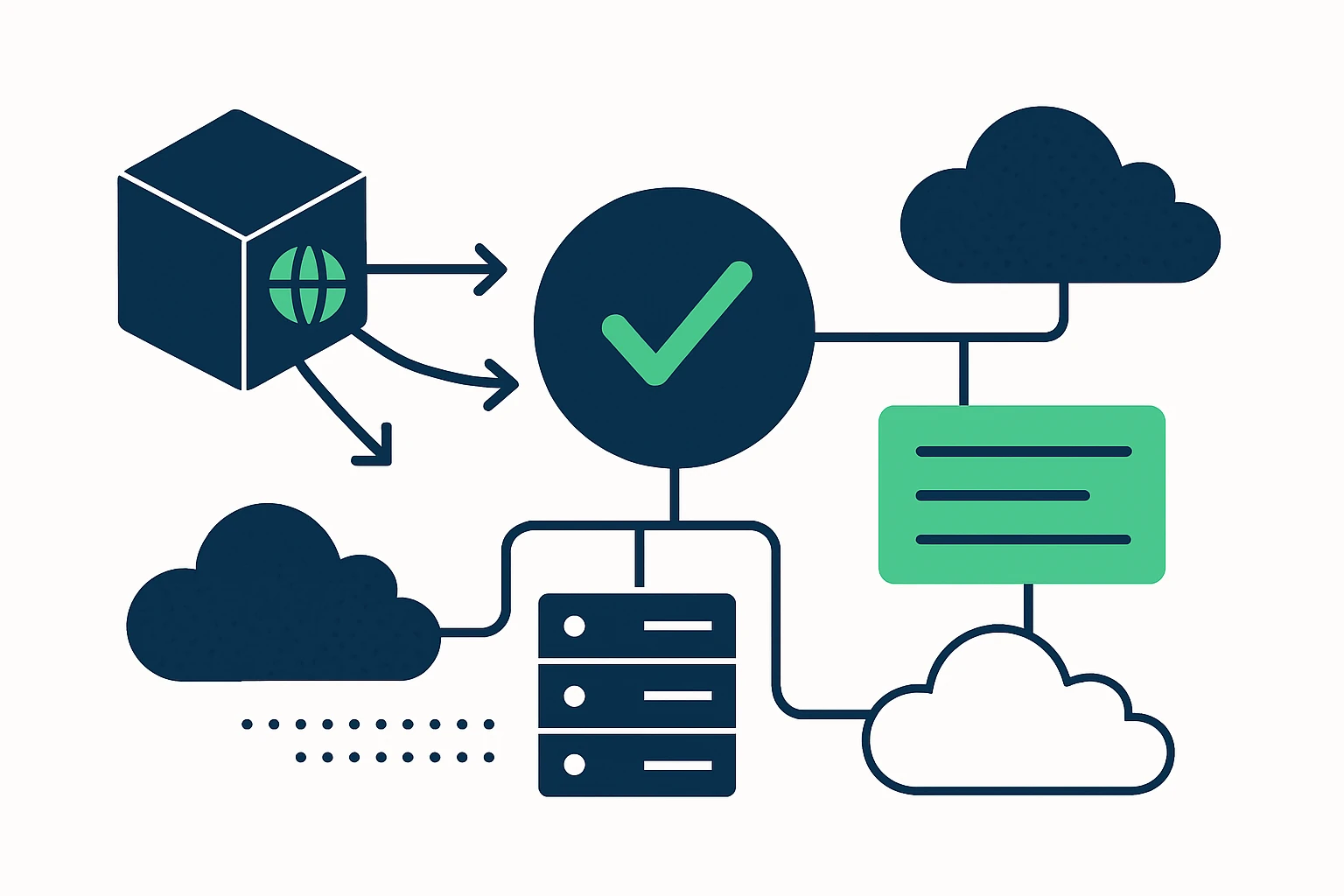
- Design a multi-region DNS and edge strategy. Use a multi-provider DNS setup with Anycast-enabled edge nodes in key regions to minimize lookup latency and ensure rapid failover.
- Implement global traffic steering. Combine DNS-based steering with CDN or GSLB capabilities to route users to the closest healthy endpoint, while preserving consistent catalog state. (cloudflare.com)
- Balance TTLs with update cadence. Align TTLs with how often catalogs are updated and how quickly endpoints can switch without increasing query load. (techtarget.com)
How WebAtLa’s domain catalogs fit into this model
For teams that rely on centralized, browsable catalogs of TLDs, WebAtLa provides dedicated directories that help locate and compare domains by TLD, including space-specific collections. When distributing access to these catalogs globally, pairing WebAtLa’s TLD resources with a robust cloud routing strategy can dramatically improve latency and reliability for downstream automation. For example, teams often need to download lists of .space domains or consult the broader TLD directory to inform asset inventories. A well-architected routing layer ensures those downloads are fast no matter where the user is located. You can explore WebAtLa’s space catalog at WebAtLa space TLD catalog, or browse the general TLD directory at WebAtLa TLD directory.
In practice, this means designing for edge proximity and reliable failover so that requests for catalogs - whether initiated by a researcher, a developer, or an automated pipeline - are served from the nearest healthy location and remain available during regional disruptions. This approach aligns with the broader patterns described by Cloudflare and TechTarget and is consistent with DNS failover practices (health checks, rapid propagation, and multi-region resilience). (cloudflare.com)
Limitations, trade-offs, and common mistakes
While the pattern above can yield significant latency and availability gains, it is not a silver bullet. Some common limitations and missteps to watch for include:
- Over-reliance on DNS for latency reduction. DNS failover and geo-routing help, but they do not replace application-layer optimizations or CDN-based delivery for large assets. DNS changes propagate with TTLs, and misconfigured TTLs can delay failover or overwhelm resolvers during events. (techtarget.com)
- When using Anycast, beware of routing instability. While Anycast reduces latency to edge sites, misconfigurations or misaligned health checks can cause route flaps or unexpected instability. A disciplined monitoring and health-check regime is essential. (verpex.com)
- BGP-based latency awareness is still evolving. Latency-aware BGP strategies are an active research area, broad deployment requires cooperation across providers and careful consideration of policy constraints. This is an opportunity rather than a turnkey solution. (arxiv.org)
- TTL tuning is a constant trade-off. Short TTLs improve failover speed but increase DNS query volume and cost, long TTLs reduce query load but slow failover. Align TTLs with operational realities and update cadences. (techtarget.com)
Conclusion: a disciplined path to faster, more reliable domain catalogs
For teams distributing domain catalogs across multiple TLDs, cloud routing optimization is a practical toolkit rather than a single technology. It combines edge-proximity delivery (Anycast), inter-domain routing insights (latency-aware thinking in BGP), and resilient DNS failover to minimize latency while preserving availability. This integrated approach - grounded in current industry guidance and ongoing research - helps ensure that catalog access remains fast and dependable, even as environments evolve. By starting with a clear view of user geography, adopting a robust multi-region strategy, and carefully tuning DNS and TTLs, organizations can reduce latency, improve uptime, and accelerate downstream workflows such as the retrieval and utilization of list-based domain catalogs.
As you plan, consider pairing these routing principles with concrete, vendor-agnostic data: measure latency improvements, track failover times, and continuously refine edge placement. The result is a resilient, scalable environment that supports fast access to domain catalogs - whether users pull the latest ".space" assets or navigate WebAtLa’s broader TLD directory.
Recommended reading for deeper context: Cloudflare’s DNS performance whitepaper on edge DNS, the TechTarget DNS optimization guide on multi-region deployment, and IBM’s DNS failover overview. (cloudflare.com)