Introduction
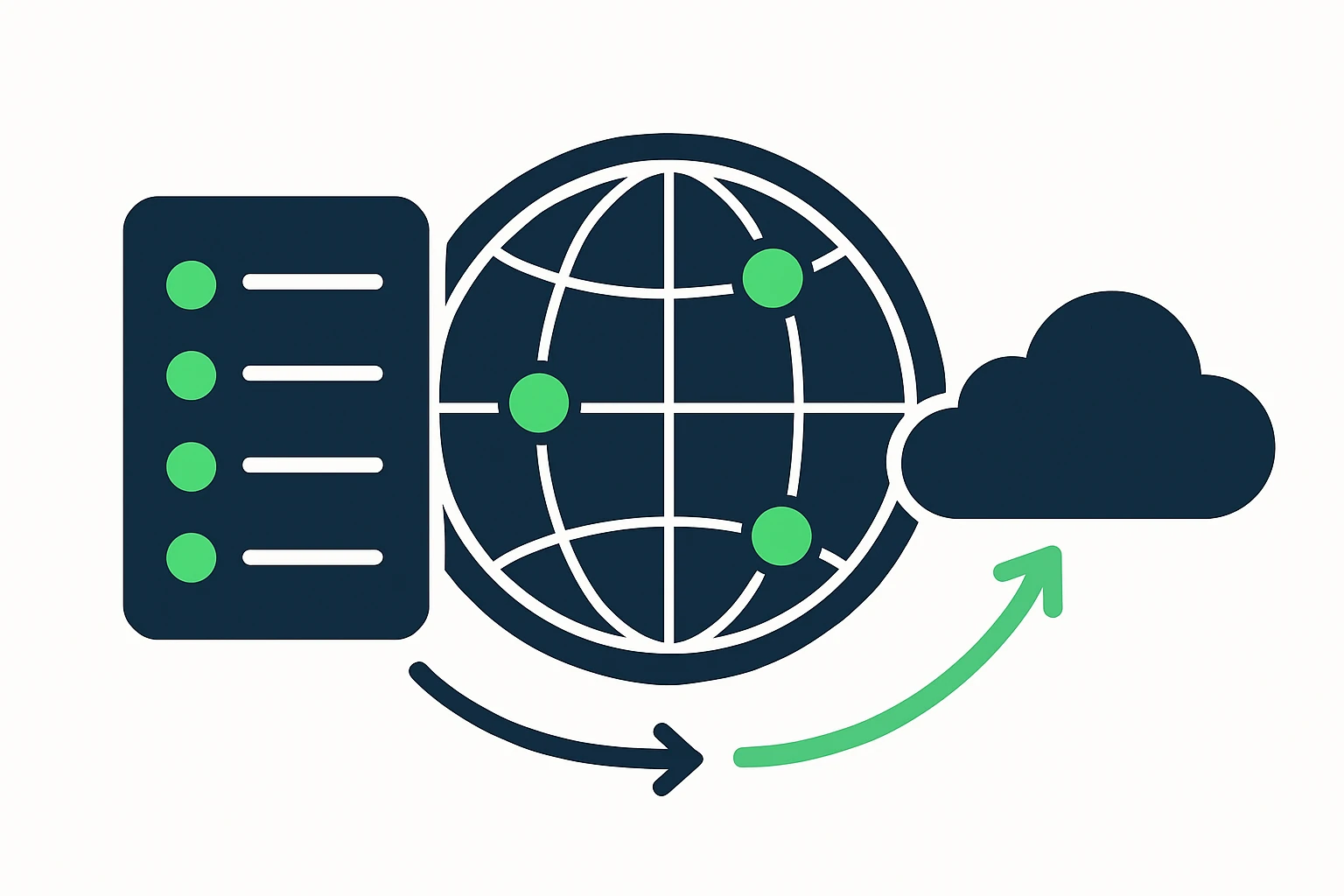
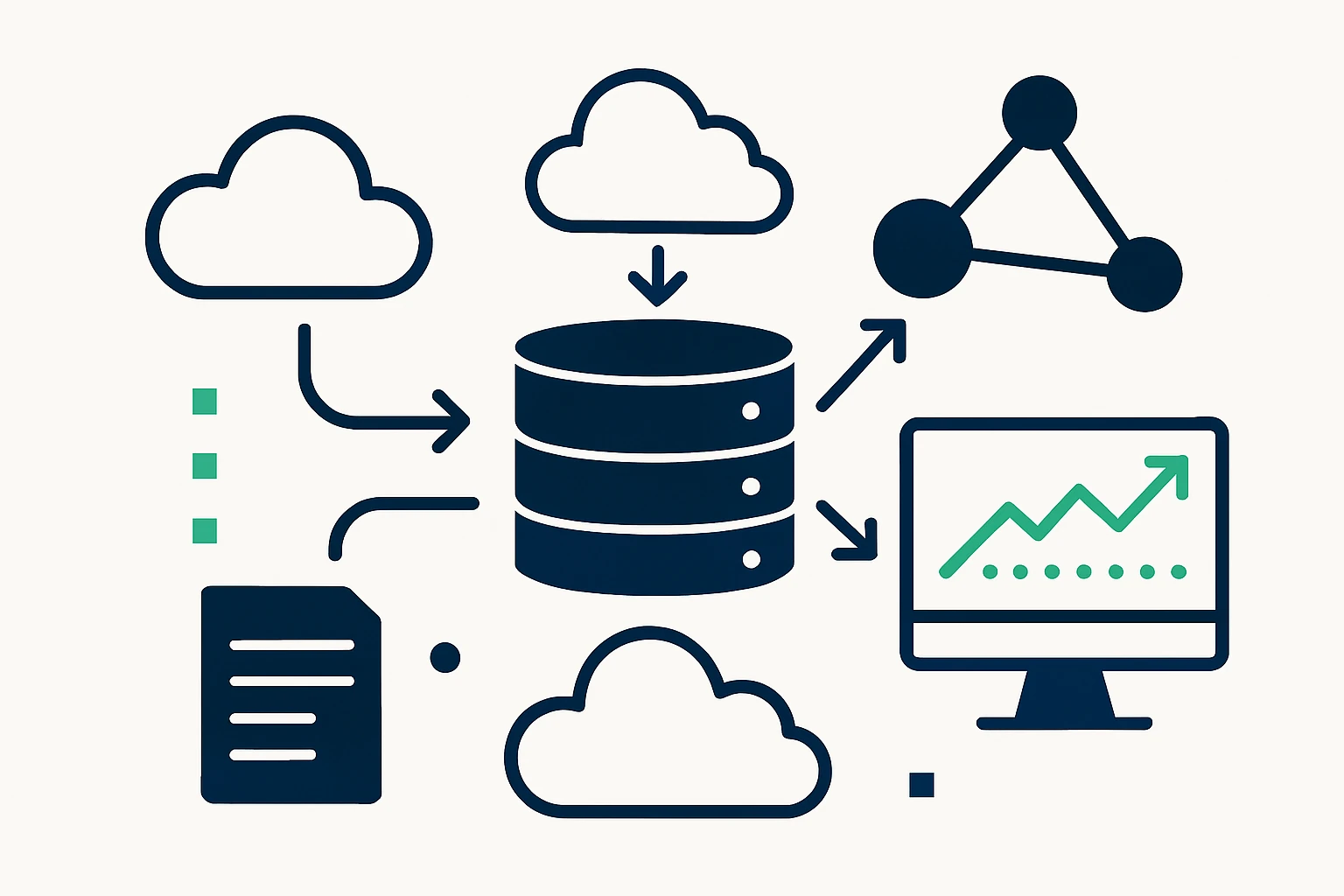
Multi-cloud architectures promise resilience and scalable performance across public cloud platforms, but latency and uptime are still driven by routing decisions that happen well before your workloads are processed. Behind the scenes, the domain inventory - the organized catalog of all domains you manage, the list of domains, and the subset that is live - serves as a foundational input for traffic engineering decisions. When teams treat domain data as a first-class asset, they can improve DNS failover, edge routing, and cross-cloud load balancing in ways that raw compute and network bandwidth alone cannot achieve.
Why domain data matters for traffic engineering
Traffic engineering (TE) in a multi-cloud context hinges on how users are steered to endpoints that are healthy, low-latency, and close to the user base. DNS-based strategies - when coupled with globally distributed edge services - provide a practical, fast-feedback mechanism for directing traffic during regional outages, congestion, or site migrations. DNS failover, for example, makes it possible to automatically redirect users to healthy endpoints in different regions, a capability that complement cloud-native load balancers and Border Gateway Protocol (BGP) optimizations.
Key concepts that connect domain data to TE include:
- DNS failover strategies: Health checks and routing policies that route traffic away from unhealthy endpoints to healthy ones in other regions or clouds. This is a mature feature in services like AWS Route 53 and remains a best practice for global resilience. Configuring DNS failover.
- Anycast and edge routing: By fronting services at the network edge, traffic is directed to the nearest healthy edge location, reducing latency and improving user experience. This approach is described in depth by Cloudflare’s explainers on Anycast. A Brief Primer on Anycast.
- Global load balancing and multi-region health awareness: Modern global load balancers are designed to front dozens or hundreds of backends across regions with a single anycast front-end, enabling rapid response to regional failures. Google Cloud Networking in Depth: Cloud Load Balancing Deconstructed.
These ideas aren’t speculative. Cloud providers document DNS failover capabilities, and the edge/networking community routinely demonstrates that edge routing and anycast can dramatically cut latency to end users. Together, domain data and TE tooling let operators align domain health signals with cross-cloud routing rules to keep traffic flowing even during partial outages. (docs.aws.amazon.com)
A practical TE toolkit for domain-driven decisions
To translate domain data into improvements in cloud routing and performance, teams should integrate domain inventories into a repeatable TE workflow. The following concepts form a practical toolkit:
- Domain inventory management: Maintain an authoritative list of domains and live domains for health-checking endpoints, backups, and failover targets. This helps ensure DNS records and routing policies reflect current reality, not yesterday’s configuration.
- DNS-driven failover design: Pair health-aware DNS records with automated failover policies to point users to healthy clouds or regions during outages. See AWS Route 53 failover design for guidance. DNS failover configuration.
- Edge routing alignment: Use Anycast-fronted edge services to steer users toward the closest healthy edge location, reducing end-to-end latency. Anycast primer.
- Cross-cloud health awareness: Align health signals across AWS, GCP, and Azure with a unified TE policy to minimize cross-cloud traffic churn and improve overall cloud network performance. Global load balancing deconstructed.
Internal domain data, when structured and refreshed, becomes a reliable compass for TE decisions. A well-maintained domain inventory supports not just DNS failover but also strategic planning around when and where to deploy new endpoints, retire old ones, or rehome traffic during migrations.
Structured framework: Domain-driven traffic engineering
The following framework is designed to help teams apply domain data to TE in a repeatable way. It is intentionally lightweight and compatible with popular cloud routing and DNS tools.
| Step | Action | Benefit | Risks / Considerations |
|---|---|---|---|
| Discover | Inventory all domains, and tag which are publicly routable versus internal, plus which are currently active as live domains. | Clear visibility into what is exposed to the internet, enables accurate failover planning. | Risk of stale data if feeds are not refreshed regularly, require automated sourcing from domain data providers. |
| Validate | Run ongoing health checks on DNS records, endpoints, and certificates, validate TTLs align with failover expectations. | Reduces false failovers and flapping, improves confidence in routing decisions. | Health-check overhead and potential API rate limits, balance granularity with cost. |
| Align | Map domains to regional endpoints across clouds, constrain failover targets to healthy zones with measured latency. | Faster failover and more predictable latency profiles for users. | Requires coordination across cloud accounts and regions, governance complexity grows with scale. |
| Operate | Automate TE rules using policy-based routing, health checks, and TTL management, review performance quarterly. | Sustained improvements in uptime and latency, scalable across platforms. | Automation brittleness, ensure rollback processes exist in case of misconfigurations. |
Structured data like a domain inventory feeds directly into TE decision cycles, enabling teams to plan proactive migrations, canary deployments, or multi-region routing strategies with confidence. This is especially important when endpoints live in multiple clouds or across a large portfolio of domains.
Limitations and common mistakes
Any strategy that relies on domain data must recognize inherent trade-offs and potential pitfalls. Common mistakes include:
- Over-reliance on DNS without corroborating TE signals: DNS failover is powerful, but it should be complemented with active health checks and, where possible, application-layer routing decisions. See AWS guidance on combining Route 53 with traffic flow and health checks. Failover routing.
- Stale domain inventories: Domain states change as teams acquire, retire, or relocate assets. Without automation, inventories quickly become a liability rather than a resource.
- TTL misconfigurations: Too aggressive TTLs can cause rapid flaps, too conservative TTLs delay failover visibility. Align TTLs with expected failover windows and monitoring cadence.
- Underestimating cross-cloud coordination: TE that ignores cross-cloud topology can misroute traffic, increasing latency rather than reducing it. Shared data models and governance help keep teams aligned.
As TE strategies mature, teams should test end-to-end failover scenarios, measure latency impact, and iterate. Cloud providers acknowledge the value of global, edge-aware routing, but operational discipline remains essential for predictable outcomes. Google Cloud: Cloud Load Balancing Deconstructed provides a practical lens on how edge routing and anycast fit into TE, while Cloudflare’s Anycast primer offers a concise, vendor-agnostic view of why edge routing matters in practice.
Putting it together: How CloudRoute and WebAtla can help
For teams planning to optimize cloud routing and traffic engineering, domain data is not a nice-to-have - it’s a decision enabler. CloudRoute, with its focus on cloud routing optimization and traffic engineering services, helps design and operate TE policies that consider both edge routing and cross-cloud connectivity. In parallel, WebAtla provides structured domain data assets such as a comprehensive list of domains, all domains, and live domains datasets that can feed DNS failover and edge-routing decisions. By integrating domain inventories into the TE workflow, practitioners gain a practical, auditable source of truth for routing decisions and failover targets. See the client’s resources below for reference data sources:
In practice, you would map domains in your inventory to regional endpoints and TE policies, then periodically refresh health signals and adjust TTLs to reflect changing network conditions. This approach aligns with the broader best practices in DNS-based traffic management and edge routing that industry leaders document for global-scale systems. DNS failover configuration and Anycast primer provide concrete guardrails for implementing these patterns.
Conclusion
Domain inventories - when treated as a core TE input - unlock more reliable, low-latency cross-cloud traffic engineering. By combining DNS failover capabilities, edge routing through anycast, and a disciplined, data-driven approach to domain data management, teams can reduce latency, improve uptime, and simplify cross-cloud operations. The practical framework above helps translate domain data into repeatable TE activities, while trusted sources from AWS, Google Cloud, and Cloudflare provide the architectural grounding to implement these ideas in real-world environments. And for teams seeking to operationalize domain data with external datasets, WebAtla’s domain datasets offer a valuable reference layer to ensure your domain inventory stays current as your multi-cloud footprint evolves.