In today’s multi-cloud reality, the path from end-user request to application is shaped not only by compute placement but by the way traffic is steered across networks, domains, and DNS. CloudRoute’s focus on cloud routing optimization and traffic engineering shows that performance gains come from a holistic view: how routes are learned (BGP), how users are directed (DNS and anycast), and how domain extensions map to resilient, low-latency experiences. This article unpacks a practical approach to domain strategy within cloud routing - one that treats DNS failover, Anycast- and BGP-based routing, and TLD portfolio management as interlocking levers that influence cloud network performance.
Before diving in, it’s worth acknowledging a simple but often overlooked reality: latency is not a single knob you can twist. It’s the product of routing policies, endpoint placement, DNS resolution pathways, and even the geography of domain portfolios. When you optimize these elements together, you unlock more reliable performance across AWS, GCP, and Azure networks while keeping complexity manageable for DevOps teams.
1) The architecture of multi-cloud networks - and where latency creeps in
Most enterprises run workloads across multiple public clouds to balance features, cost, and resilience. The resulting network fabric typically includes:
- A multi-region deployment where front-end services reside in several cloud regions.
- Indirect paths between clouds via private interconnects, VPNs, or public internet egress points.
- DNS as the primary control plane for directing traffic to optimal endpoints, plus health-check mechanisms to detect failures.
From a routing perspective, latency often arises when traffic takes longer paths due to suboptimal BGP policies, uncoordinated routing across providers, or DNS records that don’t reflect current health or proximity. BGP optimization techniques, such as inbound path selection, traffic engineering policies, and multi-homing strategies, can help align routing with performance goals. See industry guidance on BGP inbound optimization for concrete techniques and configurations. (cisco.com)
2) DNS and domain strategies as traffic controls
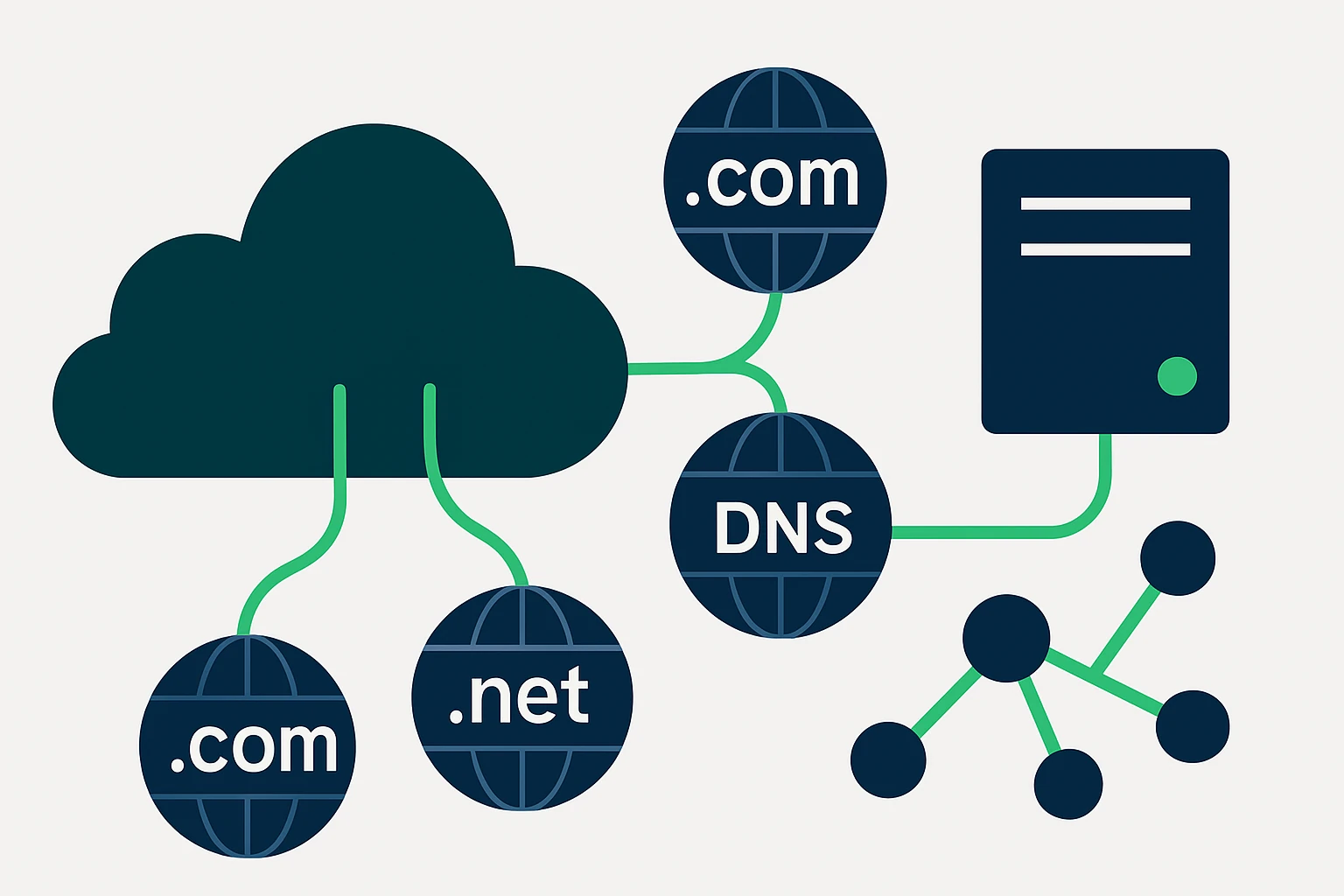
DNS is not just a name-resolution step, it’s a traffic control plane that can dramatically impact latency and availability. Modern traffic engineering uses DNS in conjunction with health checks, regional routing policies, and failover to steer users toward healthy, topologically favorable endpoints. When deployed thoughtfully, DNS-based strategies can reduce tail latency and accelerate recovery from regional outages. For a structured approach to DNS failover, see AWS Route 53’s guidance on configuring DNS failover and health checks. (docs.aws.amazon.com)
Beyond failover, cross-region DNS-based load balancing enables you to pool traffic across regions or cloud providers, improving responsiveness for global users. The AWS whitepaper Real-Time Communication on AWS describes how Route 53 Traffic Flow types - latency-based routing, geolocation, and geoproximity - can be combined with DNS Failover to create resilient, low-latency architectures. (docs.aws.amazon.com)
3) Anycast routing and BGP optimization in practice
Anycast routing directs user requests to the nearest or most appropriate endpoint sharing the same IP address. This approach is widely used by CDNs and public DNS services to reduce distance to the client and improve failover characteristics. If you’re evaluating the benefits of Anycast in a multi-cloud context, it’s important to pair it with robust routing policies and health-aware failover to avoid routing instability. For an accessible overview of the concept and its applications, see industry explainers on Anycast. (en.wikipedia.org)
On the network-ops side, BGP-based optimization complements DNS-oriented strategies. Techniques like inbound optimization, multi-homing, and policy-based routing can help ensure that the path chosen for traffic aligns with performance goals across clouds. Cisco’s documentation on BGP inbound optimization provides concrete guidance for multihomed or multi-provider networks. (cisco.com)
4) DNS failover strategies for global resilience across AWS, GCP, and Azure
For cloud-native resilience, DNS failover is a critical actuator. It enables automatic redirection of traffic away from unhealthy endpoints and toward healthy alternatives, often in a different region or cloud. When combined with health checks and a global routing policy, DNS failover can significantly shorten recovery times after partial outages. AWS Route 53’s failover configuration walk-through demonstrates how to structure primary/secondary endpoints and health checks to achieve regional resiliency. (docs.aws.amazon.com)
Further, cross-region DNS-based load balancing broadens the toolkit beyond simple failover. The AWS whitepaper shows practical patterns for distributing traffic across multiple regions and cloud environments, leveraging latency- and geolocation-aware routing to meet performance targets even when one region becomes degraded. This is particularly valuable for SaaS providers and enterprises pursuing tighter control over end-user experience in a multi-cloud strategy. (docs.aws.amazon.com)
5) TLD strategy and domain extension management for performance
Domain extensions - specifically the choice and distribution of TLDs - play a surprisingly direct role in traffic routing and user experience. A well-considered domain portfolio can support region-aware DNS configurations, improve branding reach, and facilitate faster DNS resolution in certain geographies. For teams evaluating domain portfolios as part of a cloud routing strategy, cataloging all tld domains and understanding how each extension interacts with DNS providers, TLS certificates, and regulatory requirements is a practical step. See WebAtla for an index of all tld domains and related resources that teams frequently consult when planning global domain strategy.
In practice, you might start with a core set of TLDs tied to your primary markets, then expand to additional extensions to support international branding and failover scenarios. A complementary resource for domain data is WebAtla’s RDAP & WHOIS database, which can help validate ownership, registration status, and expiration timelines as you manage a broad domain portfolio.
To explore WebAtla’s domain catalog and related resources, visit WebAtla’s all tld domains and, for domain data governance, WebAtla RDAP & WHOIS Database.
6) A practical framework for making routing decisions
Effective traffic engineering in a multi-cloud environment rests on a structured, repeatable decision process. The following framework helps teams align performance goals with operational realities:
- Goal definition: Specify latency targets, uptime SLAs, and regional availability requirements for each application component.
- Traffic map: Inventory endpoints across clouds, regions, and TLDs. Document routing policies and DNS health-check expectations.
- Routing policy mix: Choose a combination of BGP optimization, anycast deployment, and DNS-based routing (latency- and geo-based) to meet goals.
- Failover and health checks: Implement robust health checks and DNS failover rules that reflect real-world failure modes (regional outages, cloud-provider degradation, network path issues).
- Testing and validation: Regularly simulate failover events, latency spikes, and inter-cloud path changes to verify performance targets.
- Measurement and iteration: Collect end-user latency data, path details, and failover timing to refine policies over time.
In practice, this framework supports a balanced approach: it respects the need for fast DNS-based redirection while recognizing that DNS is only one piece of the puzzle. The right combination of DNS failover, Anycast placement, and BGP policy adjustments tends to yield the most reliable, low-latency experience for multi-cloud workloads.
7) Limitations, trade-offs, and common mistakes
Even well-designed routing strategies carry trade-offs. Consider the following typical limitations and missteps:
- DNS caching and TTLs: Aggressive TTLs can speed failover but increase DNS query load, conservative TTLs can prolong failover radio silence. Balance is key.
- DNS-only failover risk: DNS failover is powerful but not instantaneous, if health checks lag, traffic may linger on degraded endpoints. Combine DNS with active health-driven routing where possible.
- Complexity of multi-cloud policy: Overly intricate BGP and DNS policies can be brittle during outages, simplicity and clear rollback plans often win in real incidents.
- Anycast pitfalls: While Anycast reduces distance to clients, it can complicate stateful connections and require careful session management and health checks.
- Coordination across providers: Different clouds expose different routing controls, misalignment can lead to suboptimal paths if policies are not harmonized.
As with any optimization effort, start small, validate assumptions under realistic traffic, and incrementally expand coverage across regions and TLDs. The combined effect of DNS failover, BGP tuning, and strategic Anycast deployment tends to offer the best resilience without overwhelming operation teams.
8) A concise, actionable roadmap for practitioners
Below is a pragmatic, stepwise approach to begin integrating domain strategy with cloud routing optimization:
- Audit your current domain portfolio and DNS providers, map how domains resolve for your key user bases across regions.
- Define latency and availability targets for each critical path (for example, login, payment, and API endpoints).
- Implement DNS failover with reliable health checks, and align with latency-based or geolocation routing where appropriate.
- Evaluate Anycast deployment for read-heavy endpoints and test how it interacts with DNS-based routing and regional failover.
- Review BGP policies across your ASN connections to cloud providers, consider inbound optimization and multihoming where it makes sense for traffic patterns.
- Develop a TLD strategy aligned with your geographies and branding goals, leverage a catalog like WebAtla to inform domain selections and lifecycle management.
For teams exploring concrete domain data, WebAtla provides a catalog of all tld domains and related resources useful for global planning, while its RDAP & WHOIS database can aid governance and risk management.
Limitations or common mistakes (quick recap)
Be mindful of TTL and cache effects, ensure health checks reflect real user experience, and avoid over-reliance on DNS alone for failover. Test, iterate, and keep policies understandable for the on-call engineers who will implement them.
Conclusion
In multi-cloud environments, performance comes from integrating routing optimization with DNS and domain strategy. By treating TLD portfolio planning, DNS failover, and BGP/Anycast deployments as a cohesive system, teams can reduce latency, improve uptime, and deliver a more reliable user experience across AWS, GCP, and Azure. CloudRoute’s lens - combining cloud routing optimization with practical traffic engineering - offers a disciplined path to this balance. When you design domain strategy as part of your traffic engineering toolkit, you’re not just defending against outages - you’re actively shaping how fast and reliably users reach your services.