
Introduction: why domains matter in cloud routing and traffic engineering
As SaaS, enterprise, and DevOps teams push workloads across multiple clouds, the quest for low latency, high uptime, and predictable performance becomes a core competitive differentiator. Traditional routing decisions often rely on static configurations or region-based assumptions. A newer approach looks upstream - at the domain lists and domain data that underpins how traffic is resolved and delivered. In practice, a domains database - a curated collection of all domains and their associated routing metadata - can inform decisions about where and how to route user requests across AWS, GCP, Azure, and private networks. This shift from purely network-centric to data-informed routing aligns with CloudRoute’s emphasis on traffic engineering and multi-cloud performance, while remaining grounded in operational realities like DNS behavior and global routing dynamics.
There is no single silver bullet. But by coupling domain lists with modern DNS and routing techniques - such as DNS failover, latency-based routing, and anycast strategies - organizations can improve error handling, reduce convergence times, and minimize user-perceived latency. For teams that manage a wide portfolio of domains or a large pool of subdomains across multiple providers, a well-structured domains database becomes a practical toolkit for global traffic engineering.
Key sources from the industry outline how traffic can be steered reliably across geographies using DNS and routing primitives. For example, anycast-based DNS and services simplify directing clients to the nearest healthy endpoint, while DNS-based failover enables rapid redirection in the event of regional outages. (cloudflare.com)
What is a domains database and what does it include?
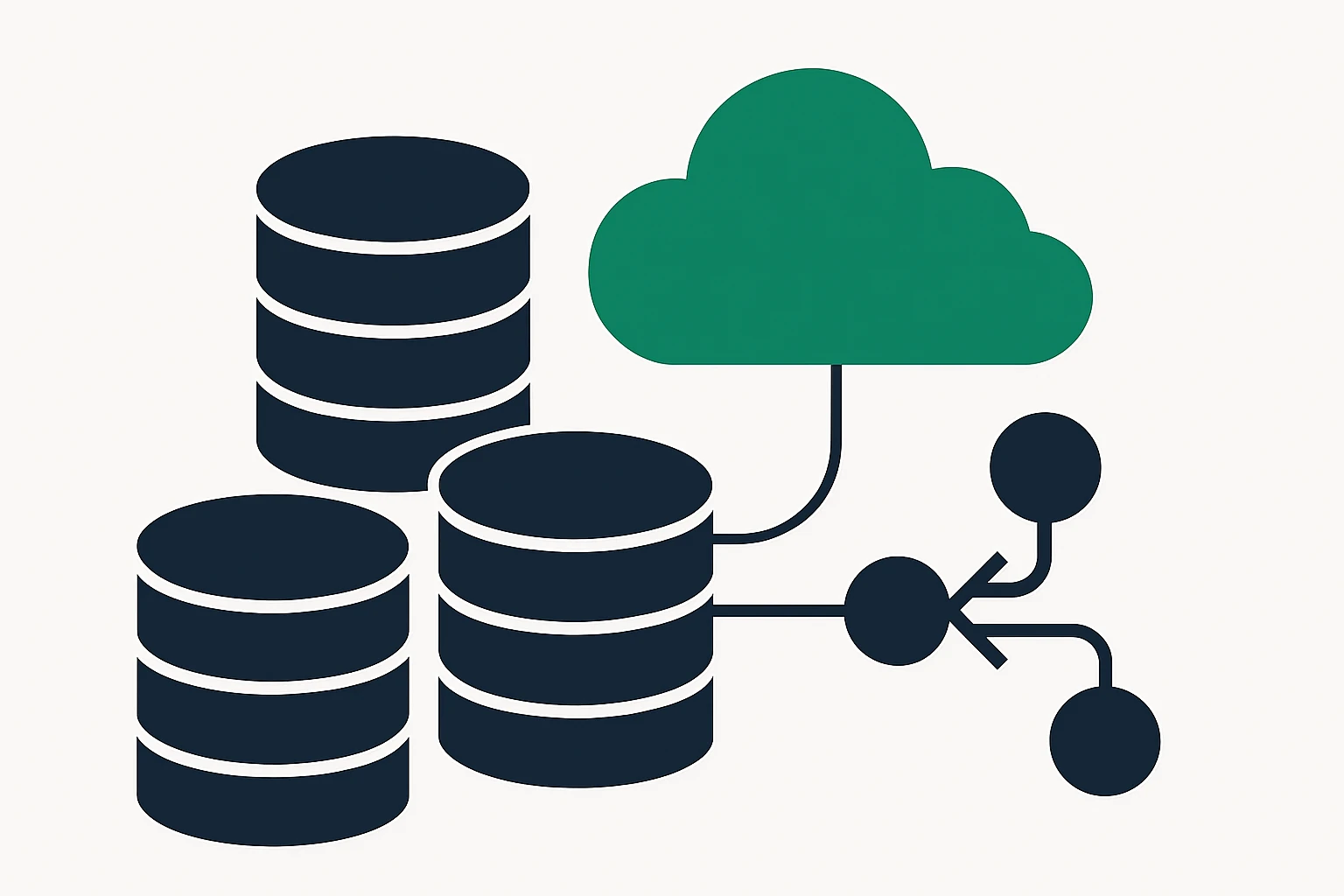
A domains database is more than a simple list of domain names. It is a structured asset that often includes domain ownership data, registration metadata, and domain-resolution characteristics that can inform routing and failover decisions. At a minimum, such a database supports: which domains exist in a given namespace (for example, common TLDs), the associated DNS records and endpoints, and health indicators or performance signals that matter for routing decisions. When teams need to optimize routing across multiple clouds, having a consolidated view of domains and their endpoints helps map traffic requests to the most efficient paths and to healthy regions. In practice, leveraging domain data is a complement to the more technical routing primitives used in multi-cloud environments.
Operationally, this means combining registry-level data (for example, domain lists by TLD) with DNS behavior and regional routing logic to drive smarter decisions about where to route user requests and how to failover gracefully when a regional outage occurs. For organizations seeking to augment their routing with domain intelligence, sources of domain data - such as RDAP and WHOIS databases - can provide context for asset management and risk assessment. Organizations often rely on dedicated domain-data services and internal registries to maintain up-to-date lists and to feed downstream routing logic. RDAP & WHOIS Database and domain lists by TLD are practical starting points for teams building such capabilities.
From a research and industry perspective, the routing landscape benefits from a combination of data availability and robust routing primitives. In practice, this means pairing domain data with DNS-based traffic management and with global routing strategies to reduce latency and improve resiliency. (cloudflare.com)
How domain lists influence routing decisions in a multi-cloud world
Domain lists inform routing decisions in several practical ways. First, they enable an up-to-date inventory of assets that may be endpoints for traffic across clouds and regions. Second, when coupled with DNS-based routing policies, domains can be directed to the closest or healthiest endpoint, leveraging geo-aware and latency-aware DNS rules. Third, in failure scenarios, DNS failover can rapidly switch clients away from an unhealthy region to a healthy one, preserving service availability. These capabilities are central to multi-cloud strategies where latency and uptime hinge on dynamic path selection and rapid failover.
In practice, DNS failover and latency-based routing work together to provide resilient performance. DNS failover responds to health checks to re-route traffic away from failed endpoints, while latency-based routing prioritizes proximity to reduce response times. These approaches are well-documented in the industry and are supported by major cloud providers and CDN platforms. For example, DNS failover in Route 53, along with health checks, can automatically shift traffic across regions in response to outages, complementing other routing controls like latency or geoproximity rules. (docs.aws.amazon.com)
Operational mechanisms: tying domain data to routing primitives
Below are the core mechanisms that connect domains databases to practical routing outcomes in a cloud-centric environment.
- Anycast routing: One IP address served from multiple locations so that user requests are resolved by the nearest healthy endpoint. This architecture reduces latency and improves resilience, and it is a foundational principle behind fast DNS resolutions and globally distributed services. (cloudflare.com)
- DNS-based failover: Health checks monitor endpoints and dynamically adjust DNS records to route users to healthy destinations. This technique enables cross-region failover without manual reconfiguration, which is essential for multi-cloud deployments. (docs.aws.amazon.com)
- Latency-based and geodirected routing: Routing policies that prioritize endpoints with lower latency or closer geographic proximity, reducing end-user delay and improving perceived performance. Cloud-native tools provide visual editors and policy builders to manage these rules across numerous endpoints. (docs.aws.amazon.com)
- Geographic and proximity mapping of domains: Aligning the domains in your database with endpoints in specific regions supports policy-driven routing choices and helps optimize cross-cloud traffic patterns.
Strategic framework: a practical approach to integrating domain lists into cloud routing
To turn domain data into actionable routing decisions, adopt a pragmatic, repeatable framework. The following four-step process helps teams align domain lists with DNS and routing policies in a multi-cloud context:
- Inventory and validate domains: Build a disciplined domain catalog, including domain names, TLDs, and associated endpoints across clouds. Regularly refresh the data to reflect new registrations or DNS changes.
- Map domains to endpoints and regions: Link each domain to its active endpoints and the cloud regions where those endpoints reside. This mapping creates the foundation for latency-aware and geo-aware routing decisions.
- Layer DNS-based routing on top of domain data: Implement DNS failover and latency-based routing policies that reference the domain-endpoint mappings. This combination enables automatic failover when a region becomes unhealthy and optimized routing for users based on proximity. (docs.aws.amazon.com)
- Monitor, validate, and iterate: Continuously monitor routing performance, health checks, and user experience metrics. Use data-driven feedback to adjust domain-endpoint mappings and routing rules over time.
A closer look at the limits, trade-offs, and common mistakes
While the domain-data-driven approach to routing is powerful, it is not without caveats. The following trade-offs are common pitfalls to watch for:
- Data freshness vs. operational cost: Regularly refreshing a domains database is essential for accuracy, but it can become costly if done too aggressively or without automation. Balance cadence with practical governance and automation.
- DNS propagation and cache effects: DNS-based routing decisions take time to propagate, and caching can delay failover. Plan for propagation windows and design health checks that reflect real-user impact.
- Geography vs. actual network performance: Proximity does not always equal the fastest path. Latency measurements and real-time health signals should inform decisions, not geography alone.
- Security and privacy considerations: Handling domain data at scale requires careful access control and auditing to protect ownership information and avoid inadvertent exposure.
Structured block: a practical framework you can apply today
Routing-Domain-Database Framework (R-D-Framework) – a concise, actionable approach for teams ready to operationalize domain data in their cloud routing strategy.
- R1 - Reflect inventory: Maintain a living inventory of domains and their DNS endpoints across clouds.
- R2 - Define mappings: Create one-to-one mappings between domains and their healthy endpoints in regional and global views.
- R3 - Layer routing rules: Implement DNS failover, latency-based routing, and geoproximity controls anchored to your domain mappings.
- R4 - Continuously validate: Use real-user metrics and synthetic checks to refine mappings and improve routing decisions over time.
Putting it into practice with CloudRoute’s multi-cloud routing approach
CloudRoute champions traffic engineering that blends global visibility with local performance. While domain data is only one piece of the puzzle, it provides a robust, extensible substrate for routing policies that span AWS, Google Cloud, Azure, and private networks. Practical integration examples include linking the domain catalog to Route 53-like failover constructs and to latency-aware routing rules to minimize end-user latency while preserving availability. For teams seeking a structured resource to inform domain-aware routing decisions, referring to domain data sources such as RDAP & WHOIS Database and domain lists by TLD can help ensure your routing decisions reflect the actual asset landscape.
Limitations and common mistakes to avoid (recap)
Even with a well-designed domain data framework, avoid these missteps:
- Relying on stale domain data for critical routing decisions, automate refresh cycles and monitor for changes.
- Over-relying on geography as a proxy for latency, pair proximity with real-time latency data and health checks.
- Underestimating propagation and cache behavior in DNS-based failover, plan for controlled failover windows and clear rollback paths.
- Underinvesting in security around domain data, enforce access controls and auditing for domain inventories.
Conclusion: domain data as a lever for resilient, low-latency cloud routing
A domains database, when thoughtfully designed and integrated with DNS-based traffic management, can dramatically improve how organizations route traffic across multi-cloud environments. The combination of anycast principles, DNS failover strategies, and latency-aware routing forms a practical, scalable approach to delivering faster, more reliable experiences for users worldwide. The key is to treat domain lists as an active, operational asset - regularly refreshed, intelligently mapped, and continuously tested. In this way, domain data becomes not just a registry artifact but a strategic driver of cloud network performance.
For teams looking to start with practical data sources, the following resources can help bootstrap a domain-aware routing program: RDAP & WHOIS Database for domain data context, and domain lists by TLD to structure domain inventories by namespace. From there, integrate with DNS failover and latency-based routing patterns to realize tangible uptime and latency improvements.