Introduction
In multi‑cloud SaaS environments, performance is defined as much by routing choices as by compute and storage. Latency, jitter, and uptime hinge on how traffic is steered across internet paths, private connections, and edge locations. The central question for network and platform teams is not merely where an application is deployed, but how quickly users can reach it and how resilient that path remains when a cloud region or provider experiences a disruption. This article offers a practical, architecture‑level view of how domain data visibility, global routing strategies such as Anycast, and intelligent DNS failover interact to deliver cloud routing optimization and effective traffic engineering services for multi‑cloud deployments. It also shows how a publisher‑neutral lens - one that treats the client’s own domain footprint, not just the network devices - can guide better decisions across clouds.
Key to this discussion is the recognition that performance improvements come from a holistic combination of DNS design, routing intelligence, and edge‑oriented architectures. Industry‑standard practice increasingly blends DNS failover, latency‑aware routing concepts, and edge routing to reduce end‑user delays while preserving uptime commitments. This framing aligns with CloudRoute’s focus on reducing latency and optimizing multi‑cloud networks for SaaS teams.
For practitioners, leveraging credible inputs - such as Anycast‑based edge delivery, BGP optimization where feasible, and resilient DNS strategies - can yield measurable improvements in cloud network performance. The links below provide a foundation for the concepts discussed and offer concrete, widely adopted best practices that support a robust, scalable routing posture.
Mapping the domain landscape: why Whois and RDAP matter for routing decisions
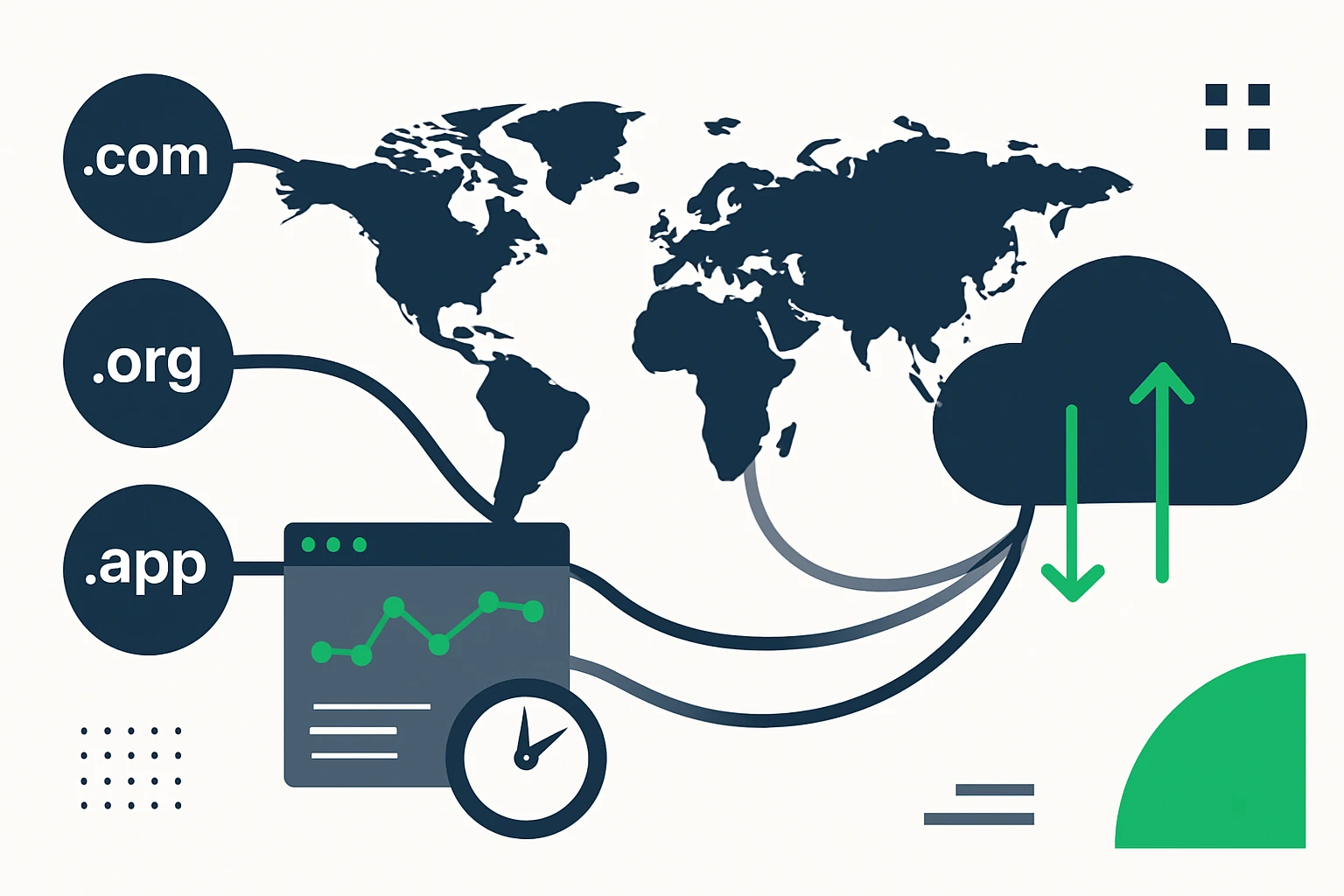
Routing and traffic engineering are often thought of as purely network‑layer concerns. In practice, however, visibility into the ownership, hosting footprints, and domain‑level distribution of apps and services can illuminate failure domains and reveal opportunities for proactive routing adjustments. A comprehensive view of which providers host which domains, when domains were moved between providers, and how domains are distributed across TLDs and regions can help operators anticipate cross‑cloud dependencies and pre‑stage failover pathways. While many teams rely on CDN or private peer connections to reduce latency, insight into the domain layer helps validate that those paths align with real service footprints rather than assumptions.
For teams that want hands‑on access to domain information, the client resource set offers targeted tools, including a centralized Whois database. You can explore resources such as the Whois database for collection and cross‑reference of domain ownership data. For deeper technical context on how domain data integrates with modern post‑registration workflows, the RDAP & WHOIS Database page provides practical guidance and access to RDAP records. These inputs can inform decisions about routing policy, regional failover readiness, and multi‑cloud connectivity design.
The power of Anycast: shortening the path to the edge
Anycast routing advertises a single IP address from multiple, globally distributed locations. When a user issues a request, the Internet’s routing planes decide the nearest healthy instance to serve that request. The practical effect is a substantial reduction in last‑mile latency and a natural resilience gain, since the path can shift away from congested or failing regions without manual reconfigurations. This principle underpins many cloud and CDN architectures and is a core enabler of cloud network performance in multi‑cloud settings.
Cloudflare’s reference architecture and related materials illustrate how Anycast is deployed to minimize latency and improve availability across edge sites. They show how a single, globally distributed edge footprint can deliver requests from the closest edge location, with the potential to spare end users from long paths to origin data centers. This approach is particularly valuable when you deploy SaaS across AWS, Google Cloud, and Azure regions and want to minimize cross‑cloud latency for end users. For a detailed look at how such architectures are designed, see the Cloudflare CDN Reference Architecture PDF. (cf-assets.www.cloudflare.com)
Latency‑aware routing and BGP optimization in practice
Border Gateway Protocol (BGP) has long served as the backbone of inter‑domain routing. Yet, by design, traditional BGP route selection prioritizes policy and reachability rather than raw performance metrics like latency. That mismatch can leave end users subject to circuitous or suboptimal paths even when lower‑latency routes exist. A growing body of work argues for incorporating latency considerations into inter‑domain routing decisions, using mechanisms such as latency‑aware extensions to BGP (e.g., AIGP latency attributes) to influence path selection. While not yet universal in deployment, these approaches reflect a trend toward performance‑aware traffic engineering that can complement edge strategies like Anycast.
Industry research and standardization activity highlight both the promise and the complexity of such approaches. In particular, the IETF has published discussions and drafts on performance‑aware routing within inter‑domain contexts, recognizing that latency is a key performance dimension that current routing protocols do not inherently optimize for. This body of work provides a roadmap for how operators might responsibly introduce latency metrics into routing decisions without destabilizing policy and reachability. (ietf.org)
DNS failover as part of a multi‑cloud resilience strategy
DNS‑based failover is a potent tool for maintaining service continuity when a cloud region or provider experiences outages or performance degradation. The idea is to couple DNS health checks with a failover mechanism so that client requests are redirected to a healthy endpoint, whether in another cloud region or another provider, thereby preserving uptime. When used thoughtfully, DNS failover complements network routing strategies like Anycast and latency‑aware BGP by providing a DNS‑layer resilience net that can react quickly to health changes.
Best practices emphasize layering DNS failover with health checks, appropriate TTL tuning, and integration with broader routing and private connectivity strategies to avoid gaps between DNS health signals and actual service reachability. In practical terms, performance reliability improves when DNS failover is designed as part of a broader multi‑cloud routing posture rather than as a standalone fix. For practitioners seeking a structured view of DNS optimization and failover, a recent guidance resource highlights fundamental best practices and how to align DNS with overall resilience goals. (techtarget.com)
A practical framework for cloud routing optimization across multi‑cloud environments
Below is a concise framework you can adopt to align cloud routing decisions with business goals, latency targets, and uptime requirements. This framework purposely avoids single‑vendor prescriptions and emphasizes an editorially neutral, architecture‑level approach.
- Define performance and reliability goals. Establish measurable targets for latency, jitter, and uptime across critical user journeys. Translate these into routing and DNS objectives that cross cloud boundaries.
- Map the domain and service footprint. Use domain data, Whois/RDAP records, and cloud provider inventories to identify where endpoints live, who operates them, and how they are distributed across regions and providers. This helps anticipate where failures might propagate and where you need rapid failover paths.
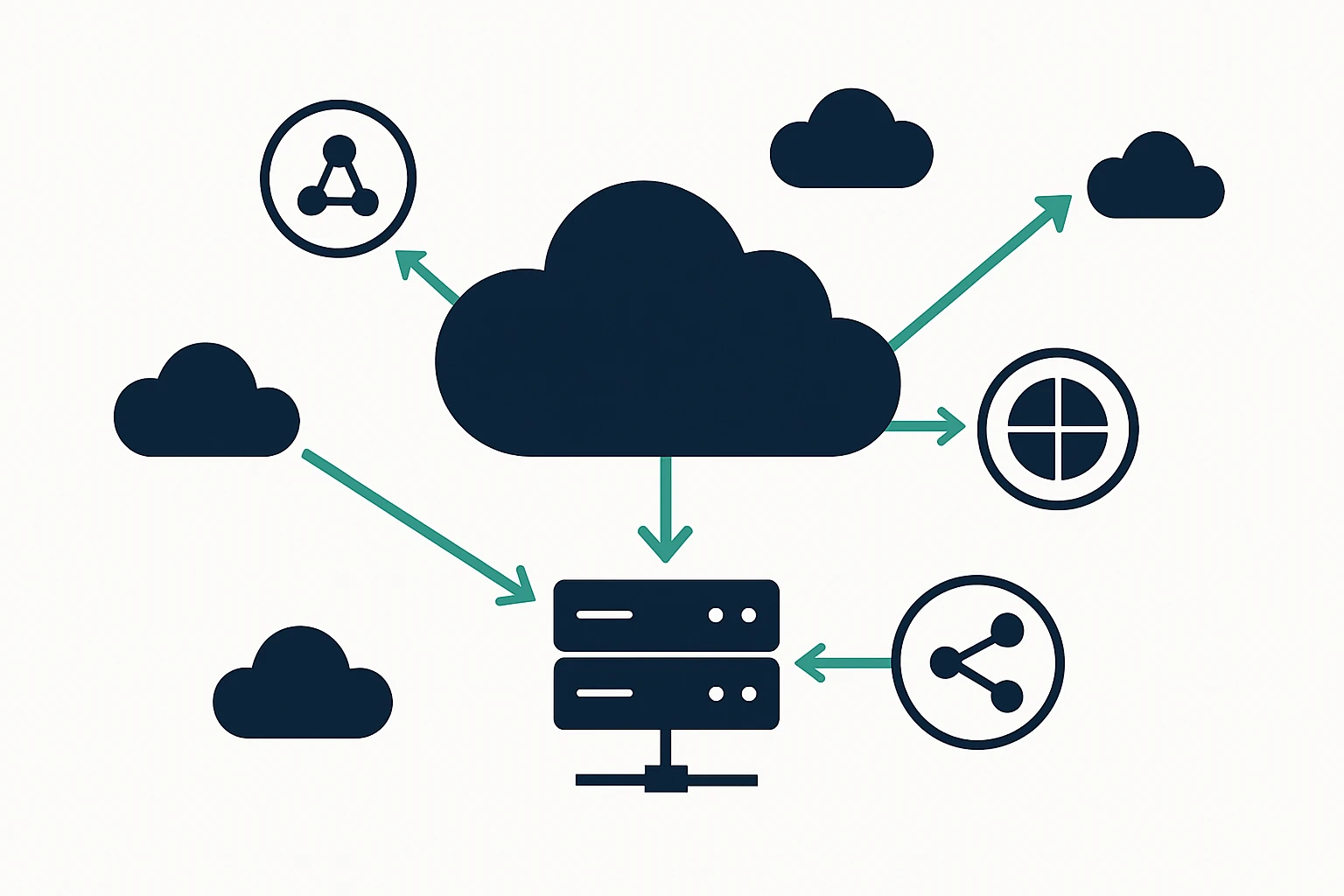
- Choose a layered routing strategy. Combine edge proximity strategies (Anycast) with performance‑aware routing where supported and with DNS failover to handle regional outages. The combination is more robust than any single approach.
- Design DNS failover with care. Plan TTLs and health checks to minimize both stale routing and failover delays. Ensure DNS signals align with real‑time service health and network reachability across clouds.
- Instrument, monitor, and iterate. Deploy end‑to‑end monitoring that captures latency from users to edge, to regional endpoints, and to origins across clouds. Use findings to recalibrate routing policies, Anycast placements, and DNS responses.
In practice, this framework helps teams justify investments in a unified routing posture that spans multiple clouds, while preserving the flexibility to adapt as provider ecosystems evolve. It also reinforces the idea that domain visibility and edge routing are not optional add‑ons but foundational inputs to a robust, scalable delivery model.
Expert insight
Industry observers emphasize that latency‑aware routing requires a holistic, end‑to‑end perspective rather than a single metric or engine. Latency is an emergent property of the entire path - from user ISPs through edge networks to cloud regions - and needs coordinated data across DNS, routing, and application health signals. When teams integrate domain visibility, Anycast edge routing, and DNS failover in concert, they gain practical control over where traffic lands and how quickly it recovers from disturbances. This view aligns with ongoing work in inter‑domain routing that seeks to bring latency considerations into routing decisions without sacrificing policy control.
Limitations and common mistakes to avoid
While the approaches above offer clear benefits, they are not a silver bullet. DNS failover, in particular, has trade‑offs: DNS responses can be cached, propagation delays can slow failover visibility, and misalignment between DNS health checks and actual service availability can lead to false positives or negatives. Latency‑aware BGP concepts are compelling, but their practical deployment requires careful coordination among network operators, cloud providers, and CDNs to avoid routing instability. Finally, Anycast reduces last‑mile distance on average, but it does not guarantee uniform performance for every client, every path, or every application protocol. These realities underscore the value of a layered, platform‑neutral routing strategy rather than a single technique. (techtarget.com)
Conclusion
For multi‑cloud SaaS teams, performance and resilience hinge on the right blend of domain visibility, edge routing, and resilient DNS design. Anycast technology offers a powerful mechanism to shorten the distance to the edge, while latency‑aware routing and DNS failover provide the means to navigate dynamic network conditions and provider outages. By integrating Whois/RDAP domain data into routing decisions, teams gain extra context about where services live and how to preemptively configure failover pathways. The practical framework outlined here helps teams operationalize these concepts into a coherent, scalable routing posture that can evolve with the multi‑cloud landscape. If you’re seeking a compact resource for domain data in this context, you can explore the Whois database and related RDAP/WHOIS resources linked above, and consider CloudRoute’s emphasis on cloud routing optimization to guide your next steps.