In today’s distributed software era, latency and uptime are not afterthoughts - they are differentiators. Enterprises increasingly deploy across multiple clouds to optimize costs, resilience, and regional performance. But multi-cloud networking introduces routing complexity: the fastest path for one service may be suboptimal for another, and fixed, static routing can’t keep pace with dynamic traffic patterns. A thoughtful routing strategy that combines anycast concepts, BGP optimization, and DNS-based failover can dramatically reduce end-user latency while preserving reliability across AWS, GCP, and Azure footprints. This article dissects practical approaches for cloud routing optimization, explains where traffic engineering services fit in, and provides a concrete framework you can adapt to your organization’s needs.
Key takeaways: (1) Anycast routing can lower latency by serving requests from the nearest responsive location, (2) BGP best-path decisions are central to how traffic actually flows, and tuning inbound/outbound routing can shrink transit times, (3) DNS failover remains a powerful, cost-effective tool for rapid regional failover, when used with good TTL and health-check practices. These ideas are supported by industry guidance from networking leaders and cloud providers. For instance, BGP best-path selection is fundamental to what path traffic uses, according to Cisco’s best-practices overview, while cloud-native load-balancing services emphasize edge delivery and provider-network optimization to minimize latency. In DNS and content delivery, anycast-based resilience and latency reductions are well documented across vendor and industry sources.
As you plan, start with a clear picture of where your users are, which services matter most to them, and how traffic trends evolve over time. The goal is not a single “best path” but a resilient, adaptable routing fabric that can route around congestion, outages, and suboptimal interconnects. Below we translate these concepts into actionable steps and a practical framework you can apply in real-world deployments.
Understanding the core tools that influence latency and resilience
Anycast routing: routing requests to the nearest healthy endpoint
Anycast routing advertises the same IP prefix from multiple locations, allowing user queries to be served by the closest or least-congested node. In practice, this reduces lookup and response latency for global services, especially DNS, CDN, and edge-based applications. The mechanism relies on Border Gateway Protocol (BGP) to advertise the same address from multiple sites and directs traffic to the nearest responder, which is why practitioners often pair anycast with robust health checks and controlled TTLs. For a high-level view of how anycast can improve latency and resilience, see analyses from anycast-focused resources and vendor explanations. Anycast Helps Reduce Latency and Anycast overview. These sources emphasize the analogy between geographic proximity and network proximity in practice, which underpins many multi-cloud edge strategies.
Expert note: In large, geographically dispersed deployments, anycast can create routing dynamics that require careful monitoring to avoid instability under load-balancing scenarios. Arguably, a well-designed anycast strategy should be paired with consistent health checks and traffic engineering controls to prevent oscillation and ensure predictable failover behavior. Load-Balancing versus Anycast: Operational Challenges discuss latency implications and potential instability when combining LB and anycast, offering a useful caveat for practitioners.
BGP optimization: shaping the actual path traffic takes between clouds
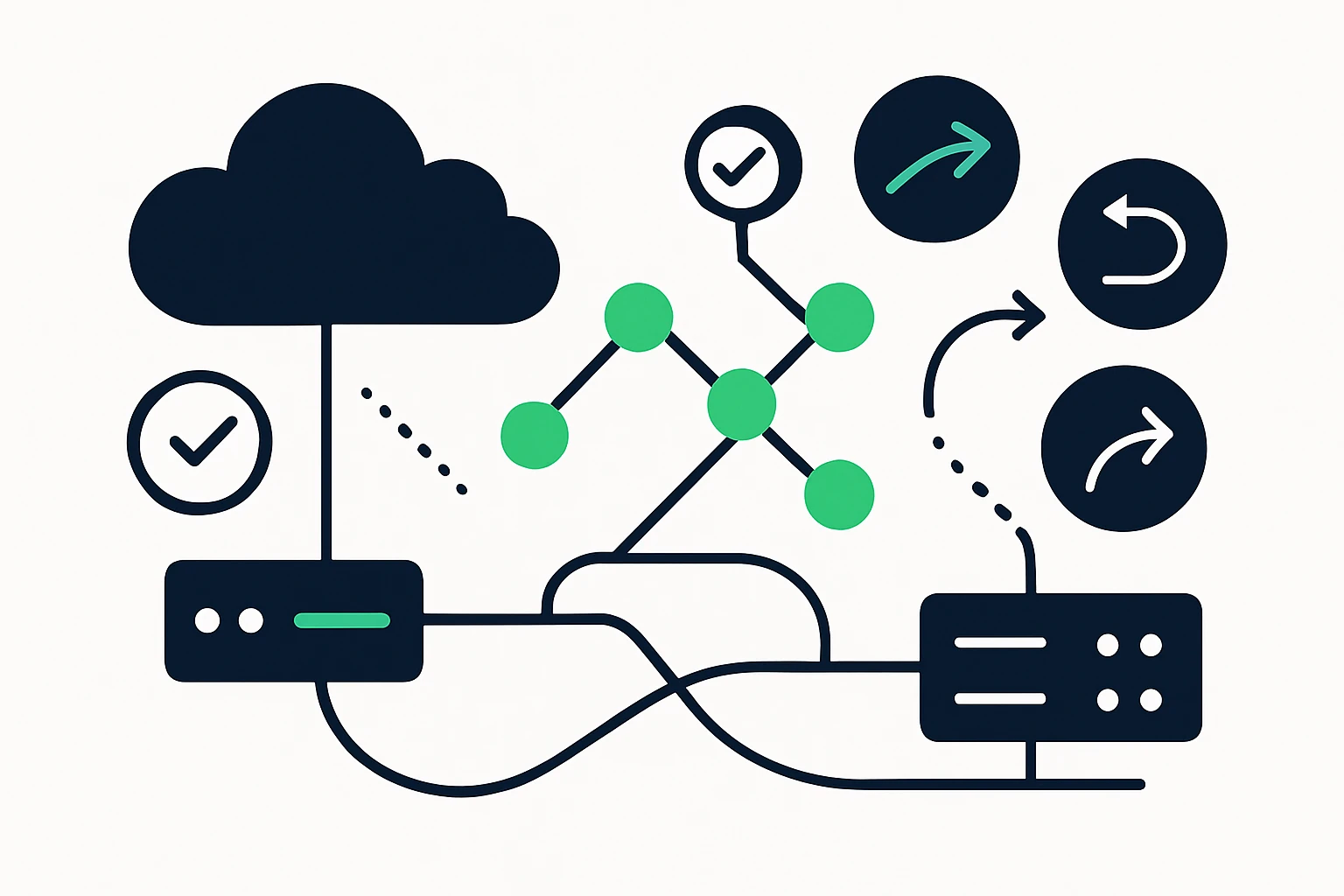
BGP best-path decisions determine which route a given prefix uses. Fine-tuning inbound and outbound policies, peering choices, and local preference can meaningfully influence latency, jitter, and failover behavior - especially for traffic that traverses interconnects between cloud providers or through shared transit. Cisco’s guidance on the BGP Best Path Algorithm highlights the decision process for installing a path in the routing table, which directly impacts latency-sensitive flows. Cisco: BGP Best Path.
Practical tweak: avoid overly rigid policies that funnel all traffic to a single path, instead, implement tiered preferences, consider dynamic routing based on latency metrics, and validate changes with controlled tests. When done correctly, BGP optimization can shorten average transit times and improve regional performance without adding cost or risk. TechTarget: BGP Best Practices provides a concise primer for common practices.
DNS failover strategies: fast, reliable redirection to healthy endpoints
DNS failover is a practical, real-time mechanism to redirect clients to healthy endpoints when an origin becomes unavailable or unhealthy. The technique relies on health checks, timely DNS updates, and careful TTL configuration to balance responsiveness with DNS caching considerations. Oracle’s cloud DNS resource illustrates how cloud-based DNS failover improves performance and resilience by enabling rapid re-routing when a failure is detected. How Cloud-based DNS Improves Digital Performance and Resilience.
Important caveat: DNS failover is only one layer of resilience. It should be paired with edge caching, health-aware routing, and, where appropriate, application-level retry and backoff policies to avoid cascading failures or “double-fault” scenarios. As Cloud CDN and load-balancing guides show, edge delivery and intelligent routing together deliver the best latency reductions for global audiences. Google Cloud: Optimize App Latency with Load Balancing.
A practical framework for cloud routing optimization
To turn these concepts into a repeatable process, use a framework that aligns routing decisions with business goals, user geography, and service characteristics. Below is a four-stage framework you can implement across multi-cloud environments.
- Assess traffic locality and user geography. Map where your users come from and which services they rely on most. Use synthetic tests and real-user telemetry to identify latency hotspots and cross-region dependencies. This step grounds the rest of the strategy in concrete data rather than assumptions.
- Map intercloud routes and interconnects. Catalog the available interconnects, peering arrangements, and transit options between your cloud providers and regional POPs. This map should reveal potential bottlenecks, such as congested cross-cloud links or single points of transit failure.
- Choose routing approaches by service type. Use a mix of anycast for edge services and content delivery, BGP tuning for intercloud paths that see substantial cross-traffic, and DNS failover for rapid, regional redirection of endpoints. The right mix depends on service criticality, user locality, and tolerance for risk.
- Test, monitor, and iterate. Establish a continuous feedback loop with synthetic tests, synthetic monitors, and real-user performance metrics. Treat routing as a living layer: adjust policies as traffic patterns shift and as cloud provider capabilities evolve. Google Cloud’s guidance on latency-sensitive routing reinforces the importance of edge delivery and provider-network optimization in dynamic environments. Google Cloud: Optimize App Latency.
Structured block: Four-step routing optimization framework
- Step 1: Localize traffic with geography-aware planning
- Step 2: Inventory cloud interconnects and transit options
- Step 3: Apply a mix of anycast, BGP optimization, and DNS failover
- Step 4: Measure, validate, and iterate with real-user data
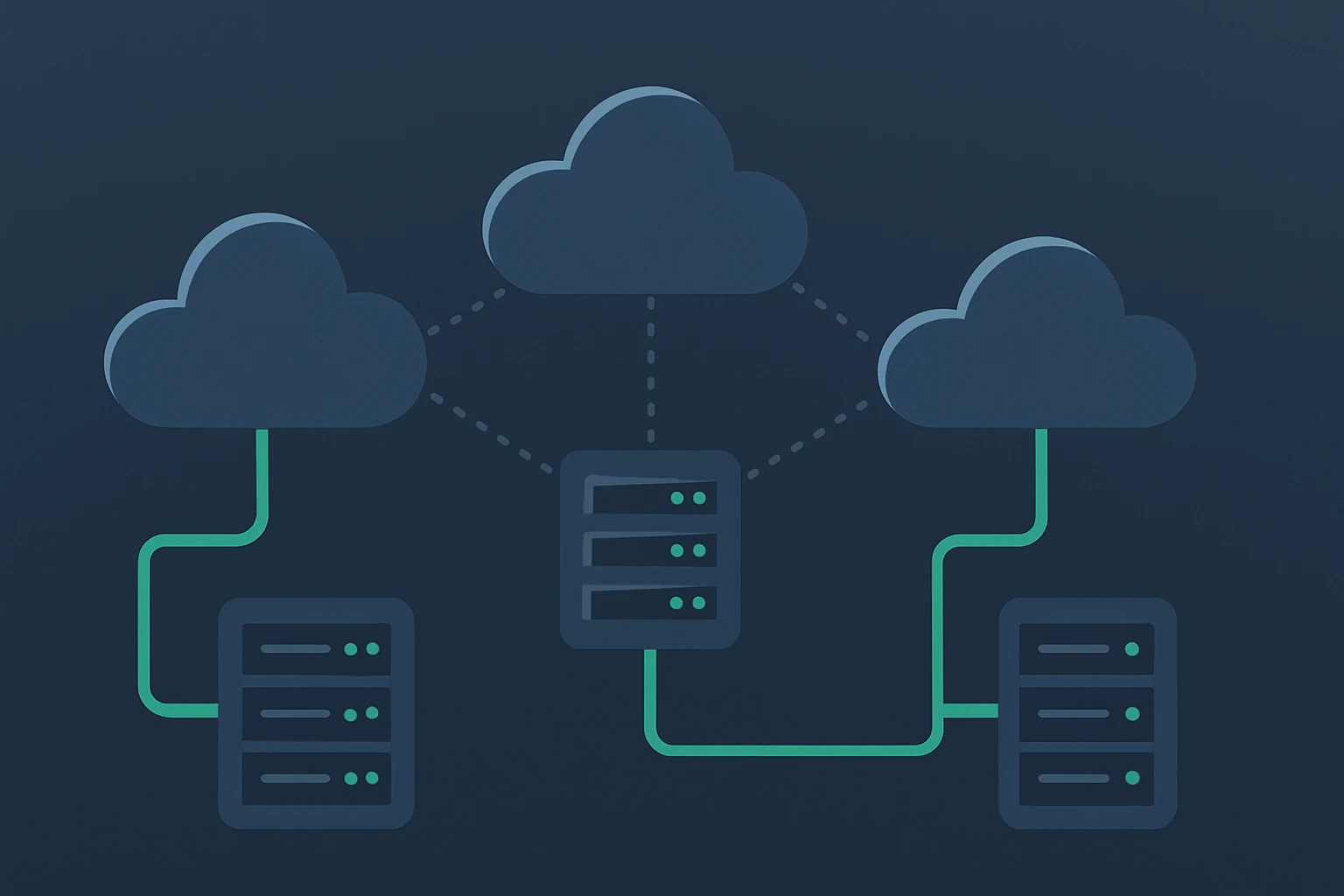
In practice, a small, curated set of controls often delivers the most value. You can start by implementing anycast for a handful of public endpoints or CDN-like edge services, while guiding core intercloud traffic through BGP-based policies that favor low-latency paths. For a concrete example of how this combination can function in a multi-cloud layout, consider a scenario where a global SaaS manages multi-region customer data and requires low-latency access in North America, Europe, and Asia-Pacific. The framework above helps structure decisions, quantify benefits, and maintain a balance between speed and resilience.
Limitations, trade-offs, and common mistakes to avoid
Routing optimization is not a panacea. Several practical limitations can influence outcomes, and several common mistakes can undermine your efforts.
- Latency is multi-faceted. Transit time, processing delay, and application-layer performance all contribute to end-user experience. Even with optimal routing, inefficient application code or suboptimal caching can become bottlenecks. Citations discuss how edge delivery adjusts latency and how latency improvements require holistic optimization beyond routing. Google Cloud: Latency Optimization.
- Anycast requires careful health-checking. While anycast can reduce distance to the user, misconfigurations or uneven health checks can lead to routing instability or oscillation under load. Research into LB vs. anycast highlights such trade-offs and the need for careful design. ArXiv: Load-Balancing versus Anycast.
- BGP policy complexity grows with scale. As you add more peers and interconnects, policy management becomes harder, and misconfigurations can have outsized impact. Cisco’s BGP best-practice guidance is a valuable reference to avoid common missteps. Cisco: BGP Best Path.
- DNS failover is not instantaneous. DNS changes propagate with TTLs, aggressive TTLs can increase DNS query load, while conservative TTLs may slow failover perception. Use DNS failover as part of a layered strategy that includes health checks and edge caching. Oracle’s DNS resilience guidance provides practical context. Oracle: Cloud-based DNS for Resilience.
Putting it into practice: aligning the client ecosystem with routing optimization
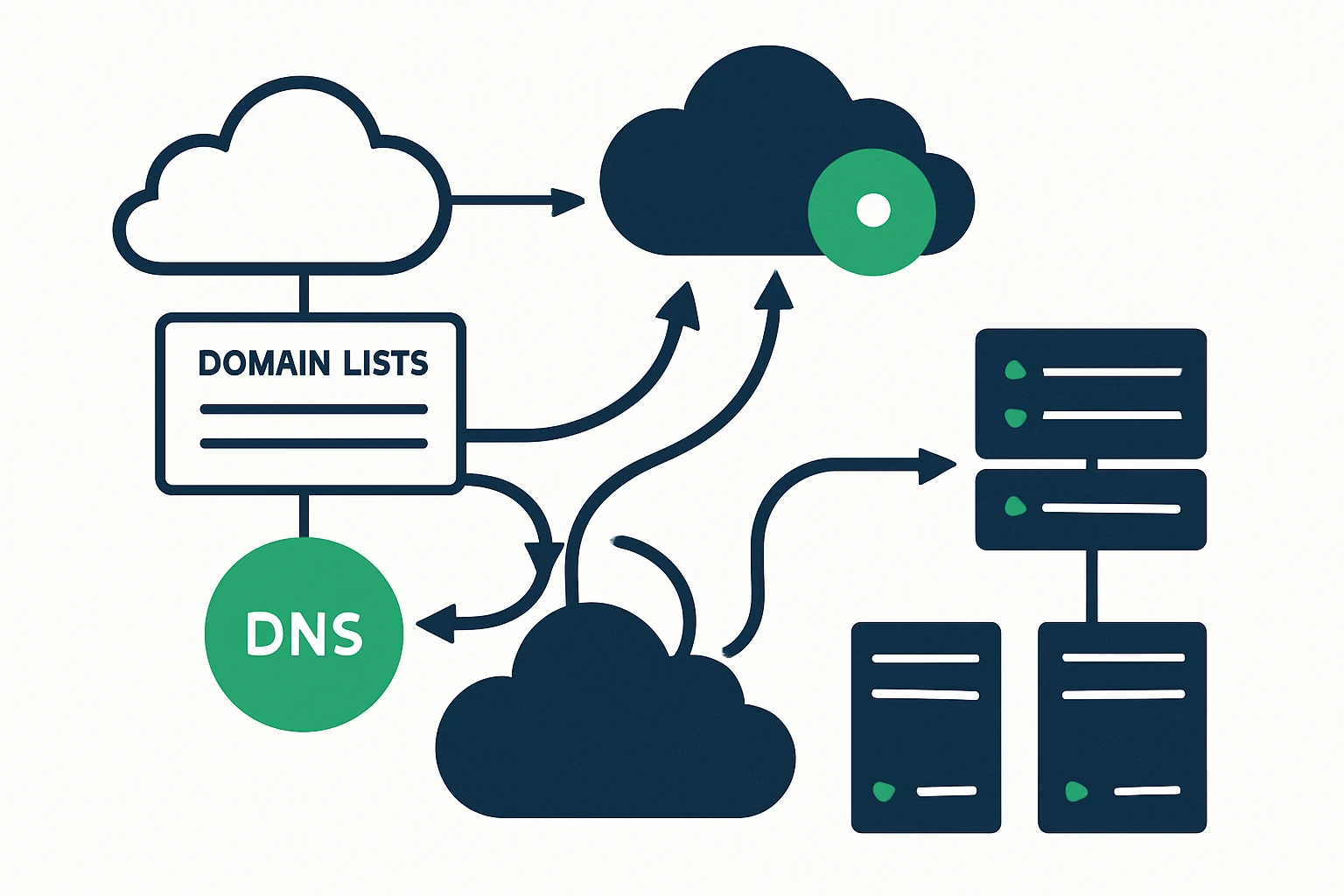
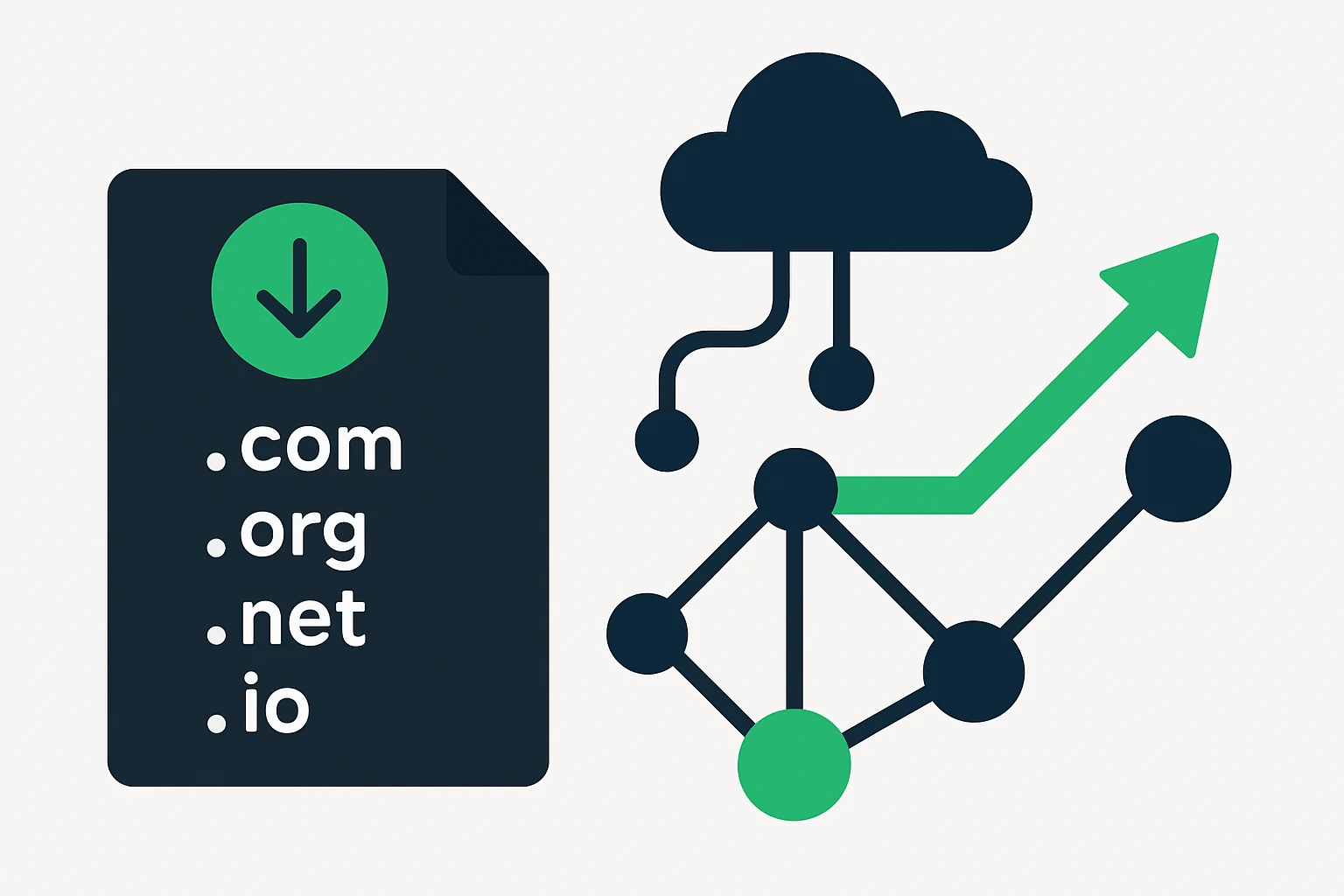
For organizations just starting with cloud routing optimization, a staged approach is often most effective. Begin with a small, measurable improvement project - such as optimizing the path for a global read-heavy service with a geographically diverse user base - and scale as you validate benefits. When teams are ready to test, they often tap into tools and datasets that help simulate failover and across-TLD routing scenarios. For example, domain-dataset resources such as WebAtla’s Run domain list can support realistic failover testing across top-level domains, while WebAtla’s list of domains by TLDs and related datasets offer broader coverage for modeling multi-region routing scenarios. If you’re evaluating vendors or datasets, consider how data provenance, coverage, and update frequency align with your testing cadence. WebAtla pricing may be a practical next step if you need scalable domain data for rigorous latency testing and failover validation.
From a product- and services perspective, CloudRoute’s cloud routing hub advocates a similar disciplined approach: combine edge-aware routing with inter-cloud BGP optimization, backed by DNS failover where appropriate. The emphasis is on pragmatic orchestration rather than a single technology solution, recognizing that every deployment has unique geography, interconnects, and performance targets.
Conclusion: a resilient, low-latency routing fabric for multi-cloud environments
The shift to multi-cloud architectures brings clear benefits - regional redundancy, cost optimization, and provider-specific strengths - but also requires a careful rethinking of how traffic is steered, failed over, and observed. By combining anycast-inspired edge delivery, strategic BGP optimization, and DNS failover within a structured, data-driven framework, organizations can achieve meaningful reductions in latency, faster reaction to outages, and more consistent user experiences across continents. The evidence from industry guidance - ranging from Cisco’s BGP best-path discussions to cloud-native latency optimization practices - aligns with a practical, staged approach: start with visibility, layer in routing controls, test rigorously, and iterate. For teams that want to explore domain data as part of their testing toolkit, WebAtla’s domain datasets offer a ready-made dataset to model multi-TLD and cross-country routing scenarios, while CloudRoute’s traffic-engineering lens provides the architectural perspective to translate data into durable performance gains.