Introduction: Domain data as a core driver of cloud routing decisions
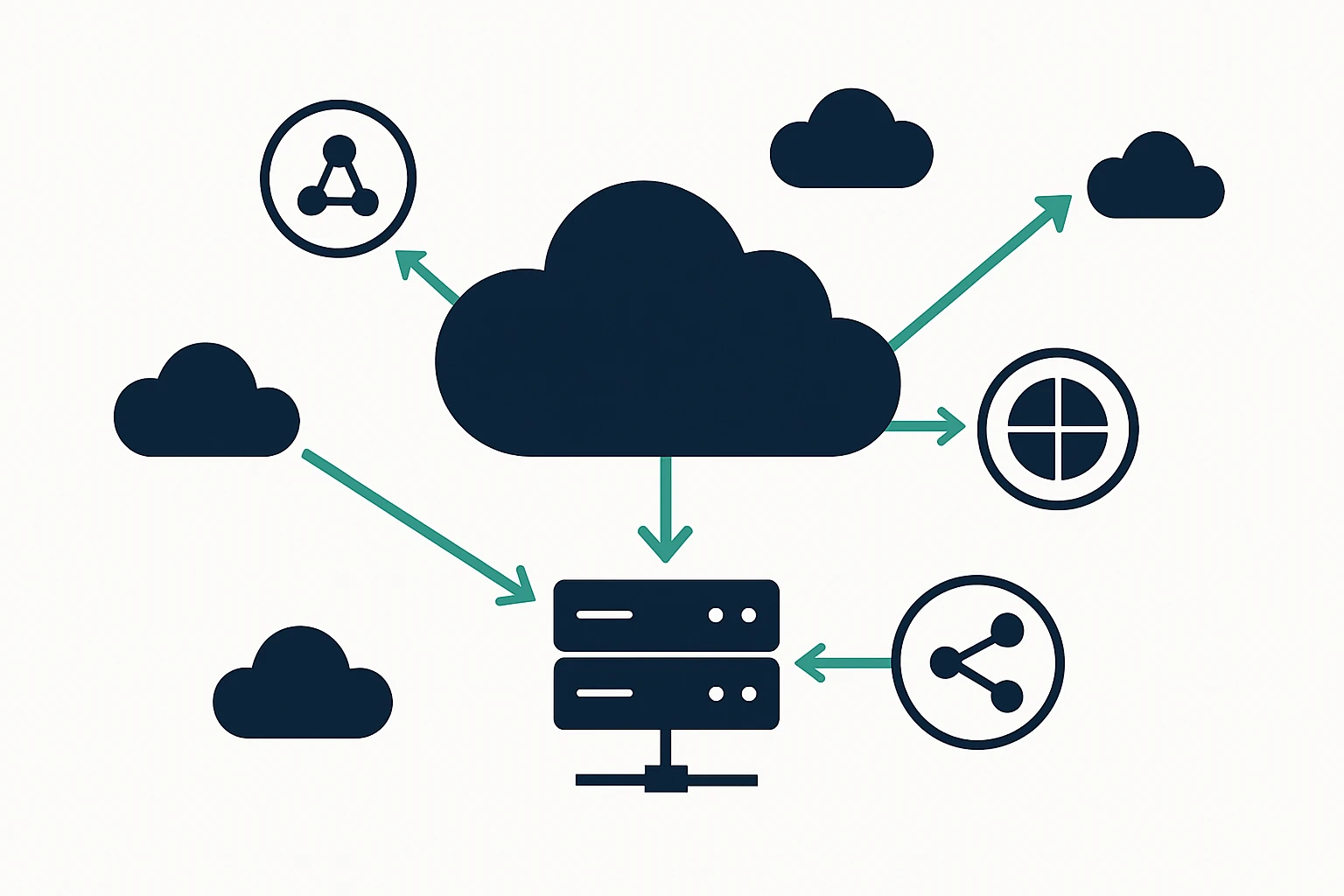
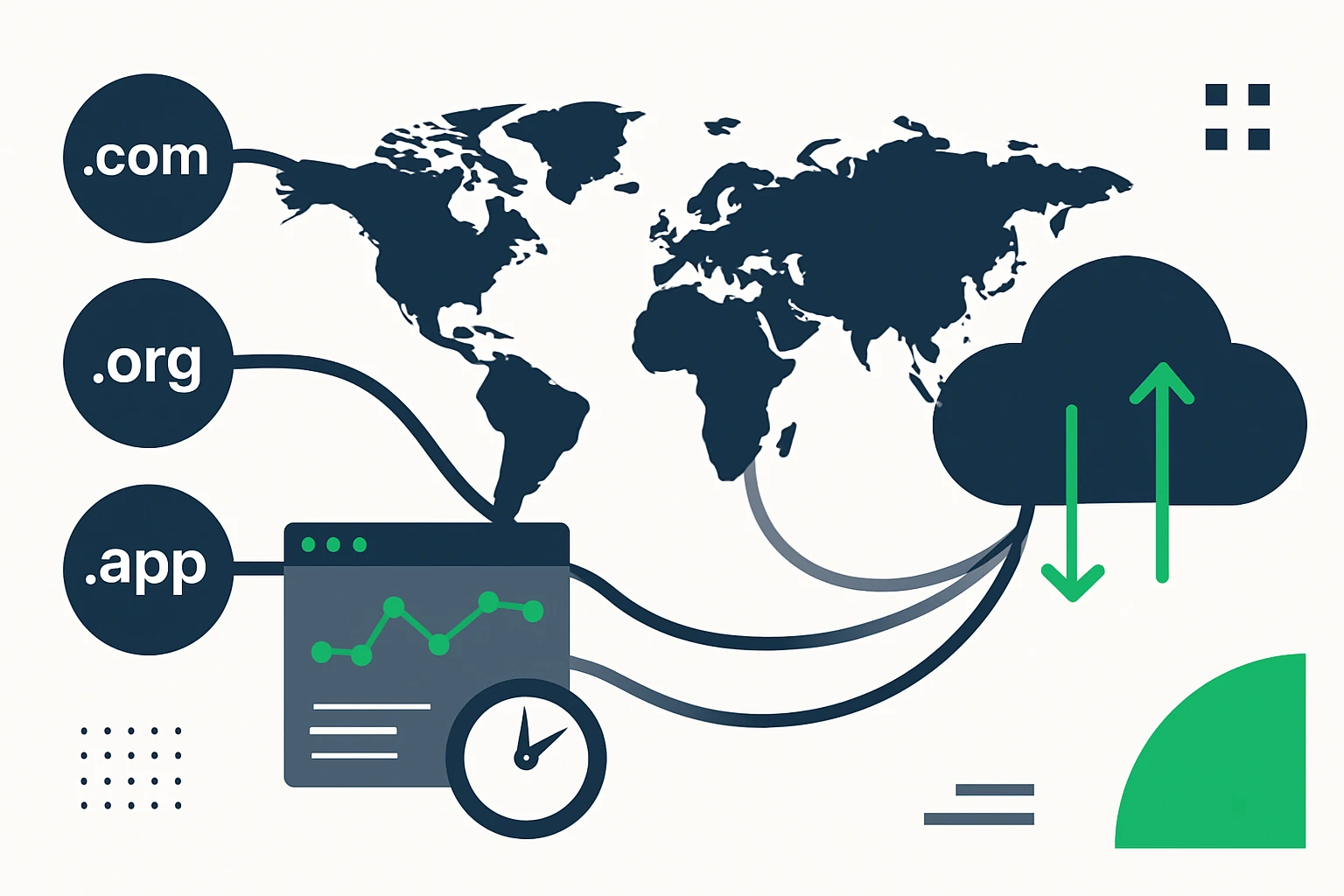
In modern cloud architectures, routing performance isn’t determined solely by the speed of networks or the sophistication of traffic engineering. It hinges on accurate, timely domain data - the ownership, registration status, and DNS configuration that point clients to your services. As SaaS and multi-cloud deployments stretch across regions and providers, teams must factor domain governance and registration signals into their routing and failover strategies. The industry is moving toward standardized, machine-readable data (RDAP) as the backbone of this signal set, replacing the long-standing but aging Whois model. This shift has profound implications for latency, uptime, and the reliability of cross-cloud traffic management.
For practitioners, the practical takeaway is simple: better domain data leads to better routing decisions. That means knowing who owns a domain, whether its registration is about to expire, whether its nameservers have changed, and how those signals interact with your DNS and traffic engineering workflows. The modern data layer - centered on RDAP - enables automation, interoperability, and more predictable failover across clouds.
From Whois to RDAP: the modern data layer you should use
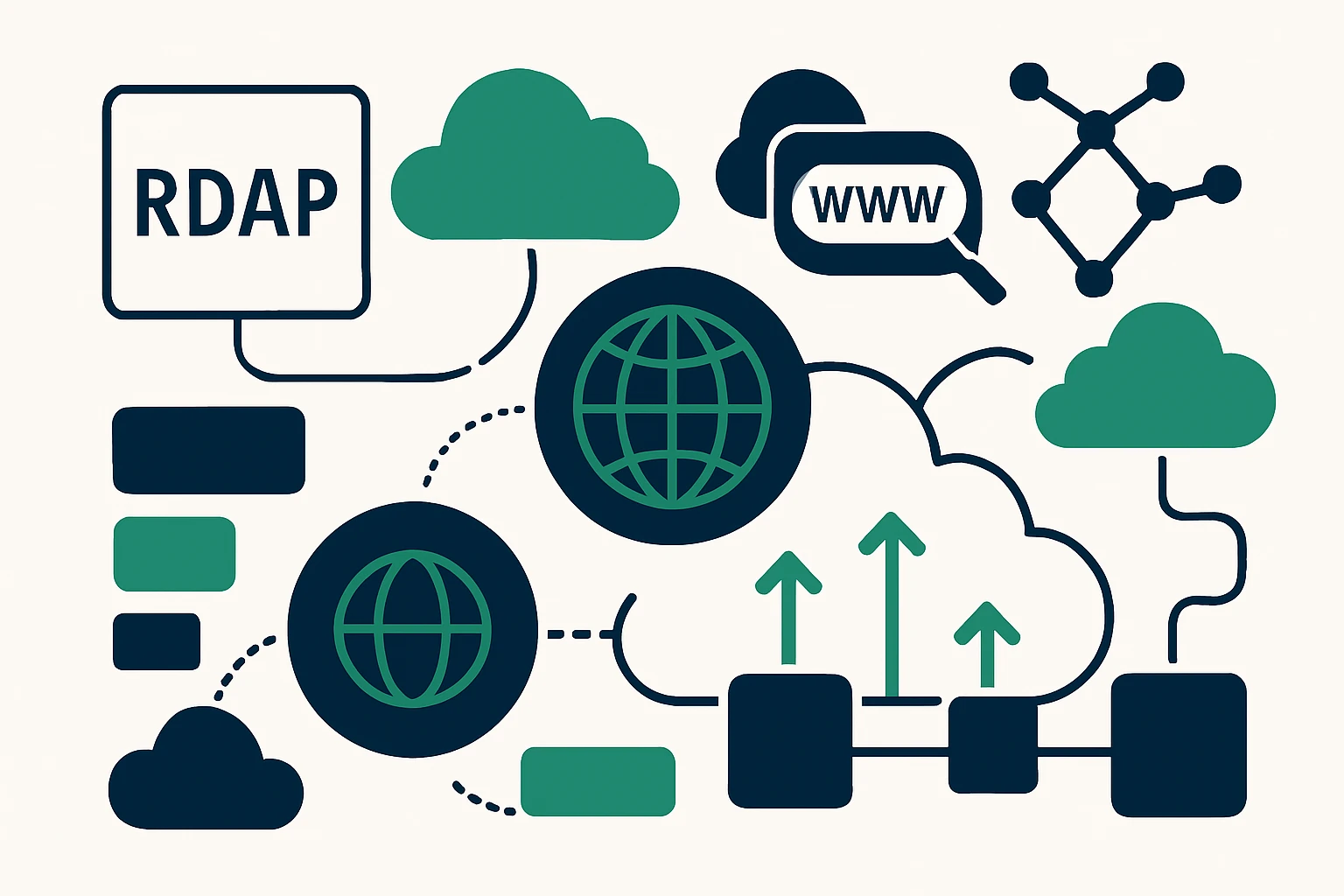
RDAP (Registration Data Access Protocol) is the standardized successor to WHOIS. It delivers registration data using structured, machine-readable JSON and over HTTPS, addressing earlier concerns about privacy, interoperability, and scalability. ICANN-led efforts have positioned RDAP as the primary access method for domain, entity, and event data, with a trajectory that disincentivizes legacy WHOIS where possible. This transition matters for cloud routing teams because RDAP data feeds can be ingested by automation that powers routing logic, cert validation workflows, and domain-aware failover decisions. ICANN RDAP overview
Key point: while Whois remains familiar to many operators, RDAP provides a consistent data model and API surface that is easier to integrate into automated routing pipelines. For teams building resilient, multi-cloud networks, prioritizing RDAP-enabled data access helps ensure you are acting on current, structured domain data. ICANN RDAP
Why domain data matters for cloud routing and multi-cloud resilience
Routing decisions across clouds rely on signals that can change quickly: domain ownership, registrar transfers, DNS zone updates, or a certificate reissue that shifts a domain’s trust chain. When a domain used to deliver a critical endpoint changes hands or DNS delegates migrate to a new provider, a misaligned routing rule can cause outages or latency spikes. Consequently, teams pursue a data-informed approach that blends:
- Real-time domain registration status (ownership, registrant contacts, and status codes).
- DNS configuration signals (nameservers, zone updates, and DNSSEC status).
- Certificate and TLS posture tied to domain ownership and expiry signals.
- Cross-cloud awareness to detect registrar moves or DNS changes that could affect global traffic patterns.
In parallel, modern DNS and routing architectures increasingly rely on distributed, high-availability decision layers. Anycast-based routing, for example, routes users to the nearest or healthiest data center, enabling low latency and robust failover. This is particularly valuable for cloud routes that span multiple providers and regions. What is Anycast DNS?
Framework: How to incorporate RDAP/Whois data into cloud routing workflows
The following framework offers a practical path to embed domain data signals into your cloud routing and failover logic. It is designed to be implemented progressively across teams, tools, and cloud platforms.
- Step 1 - Define data needs: Identify the core signals that matter for your services: domain ownership, registration expiry, registrar, last update timestamps, nameserver changes, and TLS cert status. Align these with your routing and DNS failover policies.
- Step 2 - Build a reliable data source: Prefer RDAP where available for standardized, JSON-based domain data. Where RDAP is incomplete, supplement with Whois data from trusted providers and event signals (e.g., domain transfers). The move to RDAP across registries is well underway under ICANN guidance. RDAP adoption
- Step 3 - Normalize and enrich signals: Normalize field mappings (owner, registrar, expiry, NS records) so your routing layer can reason about domains across providers. Enrichment might include cross-referencing with TLS cert datastores or certificate transparency logs to detect impending expiry or misconfigurations.
- Step 4 - Integrate with routing controls: Feed domain signals into health checks, DNS failover policies, and anycast routing decisions. For DNS, leveraging health-aware failover in Route 53 or equivalent services can automate transition to healthy endpoints when domain signals indicate risk. AWS Route 53 disaster recovery
- Step 5 - Operational discipline: Establish cadence for re-evaluating domain data, setting TTL-aware caching, and monitoring for data freshness. Maintain rate limits and privacy considerations to avoid noisy signals or incomplete data during peak events.
Tip: modern routing teams should think of domain data as a cross-cutting signal - part of your policy layer that informs where traffic should go and when to re-route. This is especially true in multi-cloud environments where a single domain can be delegated to different DNS providers or regional endpoints over time. Anycast + DNS routing helps ensure latency remains low even as domain data evolves across clouds.
Real-world use cases: latency reduction, failover, and multi-cloud integrity
Latency-sensitive SaaS architectures routinely deploy anycast-enabled DNS and multi-region DNS failover to minimize end-user delays. When domain data signals indicate a potential risk (for example, a soon-to-expire certificate or a registrar transfer), a data-informed routing decision can preemptively route traffic away from the at-risk endpoint and toward a healthier, nearby regional replica. This reduces latency variance and improves uptime guarantees for customers operating across AWS, GCP, and Azure domains. The combination of RDAP-based data and global anycast routing provides a foundation for proactive resilience rather than reactive firefighting.
For teams evaluating a domain risk profile, a centralized data feed is invaluable. The WebATLA RDAP/WHOIS database offers structured access to whois and RDAP records that can feed your automation. RDAP & WHOIS Database
Beyond routing, domain data also informs certificate management and trust decisions. When a domain’s registration status shifts, or a DNS delegation changes, you may need to adjust TLS certificates, reissue or rekey, or update certificate transparency monitoring. Integrating these signals into your traffic engineering workflow reduces the risk of outages stemming from domain-level misconfigurations.
Limitations, trade-offs, and common mistakes to avoid
While RDAP provides a standardized, scalable data layer, there are important caveats to keep in mind:
- Not all registries publish RDAP for every domain, and some jurisdictions limit data exposure by policy. Relying exclusively on RDAP can leave gaps that must be filled with Whois or other data sources. ICANN RDAP
- Data quality can vary: discrepancies between RDAP and Whois records or missing fields in certain registries can occur. Consider a data cleansing and reconciliation process to avoid chasing noisy signals.
- Privacy controls (domain privacy/proxy services) can obscure registrant details, complicating ownership verification and transfer risk assessment. Plan for privacy-guarded signals to prevent false positives in routing decisions.
- Rate limits and API quotas may constrain how often you refresh data during incidents. Build resilience into your data-fetching layer and cache recently retrieved signals where appropriate.
Common mistakes often revolve around treating domain data as a single-point signal rather than a multi-source ecosystem. A robust approach blends RDAP, Whois (where needed), DNS data, and routing health signals to form a coherent decision framework. Even with best-in-class data, it’s essential to test failover scenarios regularly and avoid overly aggressive TTL configurations that slow updates during incidents.
Practical workflow: a targeted example with CloudRoute and WebATLA
Consider a SaaS product routed across multiple cloud providers, with critical endpoints relying on a set of domain names that could be swapped between AWS, GCP, and Azure regions. A practical workflow might look like this:
- Map each customer-facing domain to a constellation of regional endpoints and an ownership profile (registrar, expiry, NS, and TLS cert status).
- Query domain data from the RDAP/WHOIS feed (e.g., RDAP & WHOIS Database) and compare against your internal registry of domain components.
- Cross-check with DNS health and endpoint reachability using cross-cloud health checks to validate current routing decisions.
- Activate proactive failover if signals indicate risk (for example, redirect traffic to a Geo-redundant instance in another cloud region) and monitor latency and uptime post-failover.
- Review the domain data signals after remediation and adjust routing policies to reflect updated ownership or DNS configurations.
For teams evaluating pricing and ongoing access to domain data across multiple TLDs and jurisdictions, consider exploring the WebATLA pricing page as a way to align data access with budgeting and operational needs. Pricing
Conclusion: domain data as a foundation for resilient, low-latency cloud routing
As cloud routing and traffic engineering mature, the ability to automate and rely on structured domain data becomes a differentiator. RDAP’s standardized, machine-readable data model provides a solid, scalable foundation for domain intelligence, while anycast-based routing helps translate that intelligence into real-time latency gains and robust cross-cloud failover. By weaving domain signals into a unified control plane - supported by sources like ICANN for RDAP and by leading DNS providers for global routing - teams can reduce latency, improve uptime, and strengthen multi-cloud operations. For organizations seeking a centralized data source to feed their routing pipelines, the WebATLA RDAP/WHOIS database offers a practical entry point that complements a broader, enterprise-grade cloud routing strategy. RDAP & WHOIS Database